
Choosing between two massive dragon-centric fantasy series can be daunting when their world-building, tone, and lore target completely different reading experiences. While Wings of Fire offers an accessible, character-driven adventure centered on distinct dragon tribes with unique biological traits and magical systems, Fire and Blood delivers a dense, pseudo-historical chronicle of a human dynasty utilizing dragons as weapons of political power and warfare. Deciding which series to dive into depends on whether you prefer a vibrant, multi-perspective fantasy quest or a gritty, morally complex historical lore-book. Both series have captured the imaginations of readers globally, including fantasy enthusiasts looking to expand their bookshelves or digital libraries. Before purchasing physical copies or e-books from local distributors or online marketplaces, readers should verify the specific edition, language, and format to ensure compatibility with their reading preferences.
How Do the Dragon Societies and Political Structures Differ?
The primary difference lies in who holds agency: Wings of Fire features self-governing dragon societies with complex tribal politics, whereas Fire and Blood presents dragons as subjugated instruments of a human feudal dynasty. In Tui T. Sutherland’s Wings of Fire, the dragons are the dominant, civilized species of the world, possessing their own languages, cultures, and governing bodies. The setting of Pyrrhia is divided among seven distinct dragon tribes—such as the IceWings, SeaWings, and RainWings—each ruled by a queen. These queens govern through a maternal monarchy where succession is determined by royal challenges, often resulting in physical combat. The political landscape is defined by inter-tribal alliances, territorial disputes, and treaties, making the dragons the active political players who shape the history of their world. Humans, referred to as “scavengers,” exist merely on the fringes of society, historically viewed as pests or prey rather than political equals.
In contrast, George R.R. Martin’s Fire and Blood shifts the political agency entirely to humans, specifically the Targaryen dynasty of Westeros. The dragons in this universe do not have their own society, laws, or language; instead, they are bound to the feudal structures of human lords and kings. They function as the ultimate weapons of mass destruction, securing the Iron Throne and enforcing the political will of their riders. The political dynamics are defined by human succession crises, court intrigue, and feudal loyalty, with dragons serving as the ultimate arbiters of power. When civil war erupts, such as the devastating Dance of the Dragons, these creatures are pitted against one another not out of tribal rivalry, but because they are bound to opposing human factions. Consequently, the political structure is human-centric, and the dragons are tragic participants in a game of thrones they did not invent.
Products mentioned in this guide
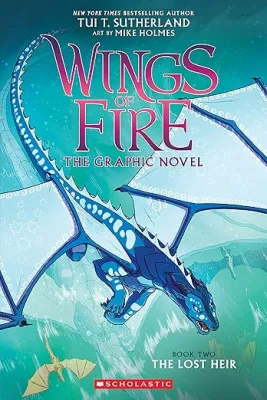
7 Lazada user ratings
Beautiful illustrations, High quality paper, Excellent value for money since in outside stores this is much more expensive.
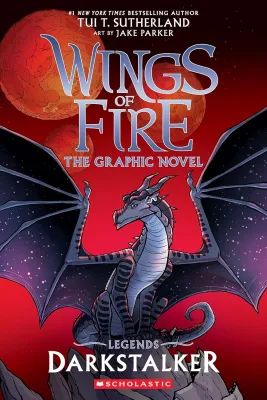
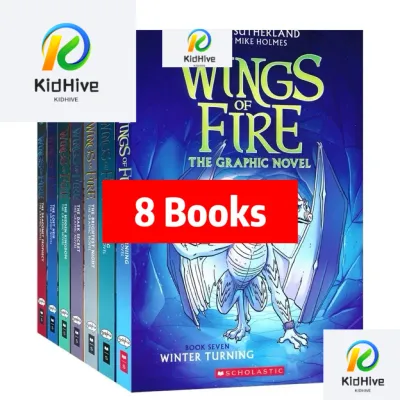
1 Lazada user ratings
Received in good condition. Book is interesting.
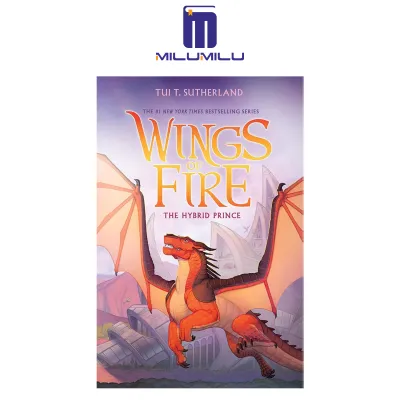
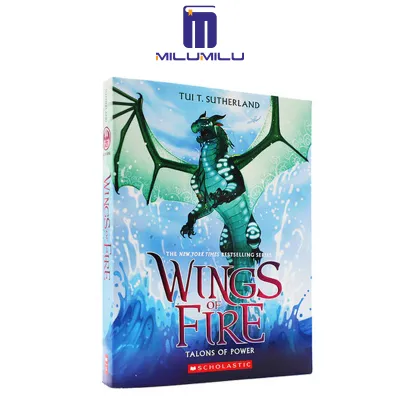
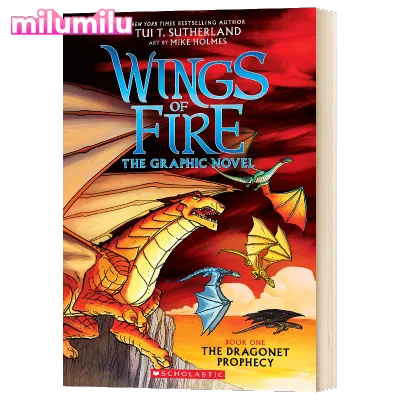
Prices are valid at publication and may change. Please refer to the product page for the latest price.
What Are the Key Differences in Dragon Abilities and Magic Systems?
Wings of Fire employs a highly structured, biologically diverse magic and ability system unique to each tribe, while Fire and Blood relies on a mysterious, low-magic bond between dragon and rider where dragon power is tied directly to physical growth and confinement. In the world of Pyrrhia, a dragon’s physical traits and magical capabilities are strictly determined by their tribal heritage. For example, RainWings possess venom-spitting fangs and color-changing scales for camouflage, while SandWings carry a venomous barb on their tails, and IceWings exhale a deadly frostbreath. Beyond these biological traits, the series features “animus magic,” a rare and incredibly powerful form of magic that allows certain dragons to enchant objects or other creatures to perform impossible tasks. However, this magic comes with a severe narrative cost, as overusing animus power is believed to erode the caster’s soul and moral compass, creating a high-stakes tension around its application.

Conversely, the dragon lore in Fire and Blood is grounded in a low-magic, pseudo-scientific framework where dragons are biological beasts bound by mystical ties. There are no distinct tribal sub-species with unique elemental powers; all dragons in Westeros are reptilian, fire-breathing beasts whose destructive capabilities scale with their age and size. A dragon’s growth is heavily influenced by its environment, with those kept confined in the royal Dragonpit growing smaller and weaker than those allowed to fly free. The magic in Martin’s world is subtle, centered on the mysterious Valyrian blood bond that allows only individuals of specific bloodlines to claim and ride a dragon. This bond is instinctual and exclusive; a dragon will only accept one rider at a time, and a rider cannot claim another dragon while their current bond remains active. There are no spells, prophecies, or active magic systems governing their actions, making their presence feel more like a force of nature than a magical tool.
How Does the Narrative Tone and Target Audience Shape the World-Building?
The target audience dictates the complexity, violence, and narrative style of each book, with Wings of Fire utilizing an accessible, hopeful coming-of-age tone and Fire and Blood adopting a dry, morally ambiguous historical chronicle format. Wings of Fire is primarily written for middle-grade and young adult readers, which directly influences how its world-building is presented. The narrative is fast-paced, action-oriented, and told through the perspectives of young dragon protagonists who are learning to navigate the complexities of their world. While the series does not shy away from the harsh realities of war, captivity, and prejudice, the overarching tone remains hopeful and empathetic. The world-building is designed to be highly visual and easily understood, focusing on themes of friendship, breaking generational cycles of violence, and finding one’s identity. This makes the lore feel immediate, personal, and deeply connected to the emotional growth of the characters.
On the other hand, Fire and Blood is crafted for an adult audience and is presented as an in-universe historical textbook compiled by Archmaester Gyldayn of the Citadel. This pseudo-historical format creates a narrative distance, as the story is told through conflicting historical accounts, court rumors, and biased primary sources. The tone is academic, dry, and intentionally objective, leaving readers to decipher the truth behind various historical events. The world-building is incredibly dense, focusing on complex family trees, political alliances, and the brutal, unvarnished consequences of feudal warfare. There are no clear moral arcs or traditional heroes; instead, the pages are filled with morally gray figures driven by ambition, pride, and survival. The violence is graphic, and the political machinations are intricate, offering a realistic and often tragic exploration of how power corrupts both individuals and empires.
Which Series Aligns With Your Reading Preferences?
Choosing between these two series depends on whether you seek an immersive, character-driven fantasy adventure or a detailed, realistic historical chronicle of political power. Wings of Fire is an excellent choice for readers who want to experience a fantasy world directly through the eyes of dragons, enjoy distinct magical creature designs, and appreciate themes of personal growth and cooperation. Its accessible writing style and hopeful tone make it an ideal option for younger readers, families, or adults looking for a comforting yet engaging fantasy escape. The clear moral compass and vibrant world-building provide a classic quest-style narrative that is both satisfying and easy to follow.
Fire and Blood is highly suitable for readers who enjoy deep political lore, morally gray characters, and a realistic, historical approach to high fantasy. If you are fascinated by dynastic histories, court intrigue, and the devastating realities of warfare, this book offers an incredibly rich and rewarding experience. It is particularly suited for fans of the broader Westeros universe who want to understand the historical foundation of the Targaryen dynasty and the mechanics of dragon riding.
Before making your purchase, it is important to verify the specific edition, language, and format of the book you choose. Depending on whether you prefer physical paperbacks, hardcovers for a collector’s shelf, or digital e-books for reading on the go, check the product specifications on authorized online marketplaces or local bookstores. Pay close attention to regional restrictions for digital editions and device compatibility to ensure a seamless reading experience. By aligning your format choice with your reading habits, you can fully immerse yourself in the rich dragon lore of either Pyrrhia or Westeros.
Community discussion
Share your experience or ask a question. Comments are reviewed before publication.