
Determining the best Dune prequel books to start with depends on whether you prefer a direct narrative bridge to the original novel or a deep dive into the ancient history of the Imperium. For most readers, the most accessible entry point is the Prelude to Dune trilogy, beginning with House Atreides. This series introduces familiar characters and houses, setting up the immediate political landscape of the original masterpiece. Alternatively, those fascinated by the ancient origins of the universe’s factions can begin with the Legends of Dune trilogy, starting with The Butlerian Jihad.
Understanding the Dune Prequel Universe
Frank Herbert’s original six novels, published between 1965 and 1985, are celebrated for their dense philosophical themes, ecological warnings, and complex socio-political structures. Following his passing, his son, Brian Herbert, partnered with established science fiction author Kevin J. Anderson to expand this rich universe. Utilizing extensive notes, outlines, and correspondence left behind by Frank Herbert, they co-authored multiple prequel and sequel series that flesh out the history of the Imperium.
When entering the expanded universe, readers must adjust their expectations regarding tone and style. While Frank Herbert’s work is deeply philosophical and introspective, the prequels lean more toward traditional, action-oriented space opera. The prose is more direct, the pacing is faster, and the focus shifts from esoteric philosophy to grand military conflicts, political maneuvering, and explicit lore explanations. This shift makes the prequels highly accessible and entertaining, though distinct in feel from the original classics.
Products mentioned in this guide

1 Lazada user ratings
Packed with a lot of bubble wrap but it wasn’t put inside a box which dented the book. The print of the book is great. Item is legit. Thanks
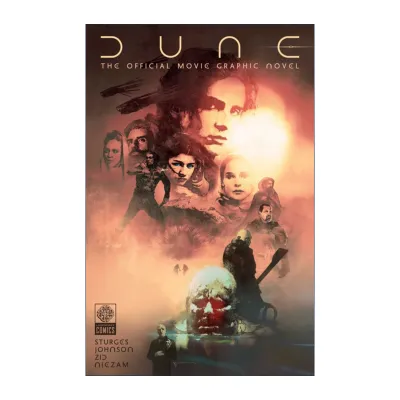
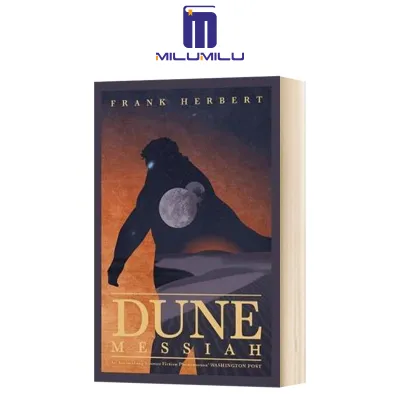
Prices are valid at publication and may change. Please refer to the product page for the latest price.
Navigating this vast library of books requires choosing between two primary approaches: chronological order or publication order. The chronological path follows the in-universe timeline across thousands of years, while the publication path follows the order in which the books were released. Understanding these options helps you select a starting point that aligns with your reading preferences and familiarity with the franchise.
The Most Accessible Starting Point: Prelude to Dune
The Prelude to Dune trilogy, consisting of House Atreides, House Harkonnen, and House Corrino, serves as the most natural transition for readers familiar with the original novel or the recent film adaptations. Published between 1999 and 2001, this series was the first major expansion of the Dune universe. It is designed to ground readers in a familiar setting while expanding on the events that set the entire saga in motion.

Set roughly four decades before the events of the first Dune novel, the trilogy explores the youth and formative years of key characters. Readers witness a young Duke Leto Atreides as he learns the heavy responsibilities of leadership on Caladan, a young Baron Vladimir Harkonnen plotting his rise to power, and the early, politically turbulent reign of Emperor Shaddam IV. It also details the origins of loyal soldiers like Duncan Idaho and Gurney Halleck, and the complex training of Lady Jessica within the Bene Gesserit.
This trilogy works exceptionally well as a starting point because it directly leads into the political chess match of the original book. The factions, planets, and rivalries are already established, meaning you do not have to learn an entirely new set of vocabulary or world mechanics. It provides satisfying answers to how the bitter feud between House Atreides and House Harkonnen reached its boiling point, making the opening chapters of Dune feel even more impactful.
However, readers should be aware of the narrative limitations inherent in this prequel series. Because it takes place immediately before the original story, the plot relies heavily on dramatic irony. You already know the ultimate fates of these characters, which can occasionally lessen the tension of certain life-or-death situations. Instead, the enjoyment comes from discovering the intricate details of how they arrived at their destinies rather than if they will survive.
For Deep Lore and History: Legends of Dune
For readers who want to understand the foundational history of the Imperium, the Legends of Dune trilogy is the ideal starting point. This series, which includes The Butlerian Jihad, The Machine Crusade, and The Battle of Corrin, is set approximately 10,000 years before the birth of Paul Atreides. It takes readers back to an era that is only spoken of in whispers and religious texts in the original novels.
The core narrative chronicles humanity’s desperate war against thinking machines. Led by the sentient computer network Omnius and the independent robot Erasmus, these machines have enslaved vast portions of the human population. The trilogy details the brutal, centuries-long conflict that ultimately leads to the total ban on artificial intelligence and advanced computing, establishing the famous commandment: “Thou shalt not make a machine in the likeness of a human mind.”
This historical setting introduces a significant thematic shift toward grand military science fiction. Rather than focusing on localized political schemes, the story covers massive space battles, planetary sieges, and the slow, painful birth of the Imperium’s core institutions. Readers get to witness the very first Bene Gesserit sisters, the development of the Mentat discipline as a replacement for computers, the discovery of space travel via the Spacing Guild, and the origins of the Suk Doctors.
While The Butlerian Jihad is an excellent entry point for fans of epic sci-fi, it is generally recommended as a second step after reading either the original Dune or the Prelude trilogy. Having a baseline understanding of the modern Imperium makes the historical revelations and the origins of these ancient factions far more satisfying. Seeing how a simple historical event evolves into a rigid religious dogma ten millennia later is one of the greatest pleasures of this trilogy.
Exploring Recent Additions: The Caladan Trilogy
The Caladan Trilogy is a more recent addition to the expanded universe, comprising The Duke of Caladan, The Lady of Caladan, and The Heir of Caladan. This series is designed to zoom in closely on the immediate years preceding the Atreides family’s fateful move to the desert planet of Arrakis. It acts as a highly focused, character-driven bridge between the broader prequels and the opening pages of the original masterpiece.
The narrative centers on the quiet family dynamics on the ocean world of Caladan. It explores Duke Leto’s struggles to maintain his political standing within the Landsraad, Lady Jessica’s complicated relationship with her Bene Gesserit superiors, and a teenage Paul Atreides finding his footing as the heir to a noble house. By focusing on these intimate relationships, the trilogy adds emotional depth to the characters before their lives are upended by imperial conspiracy.
This trilogy is best enjoyed after you have finished the original first book or the Prelude to Dune series. The emotional weight of the family’s decisions on Caladan is amplified when you are fully aware of the tragedy and triumph that await them on Arrakis. It serves as a warm, detailed look at a beloved family during their final moments of relative peace, making it a comforting read for dedicated fans of the franchise.
Choosing Your Ideal Reading Order
Deciding how to approach these books depends entirely on your reading goals and how you prefer to experience world-building. The two primary frameworks offer distinct advantages:
- Publication Order: This path is highly recommended for first-time readers. By starting with the original Dune, moving to the Prelude to Dune trilogy, and then diving into the deep history of Legends of Dune, you experience the universe's expansion in the same way the authors developed it. This preserves the mystery, gradual reveals, and evolving lore as intended.
- Chronological Order: This path is best suited for dedicated re-readers or those who prefer a strict historical timeline. Starting with Legends of Dune to witness the Butlerian Jihad, progressing through the Prelude and Caladan trilogies, and finally arriving at the original Dune offers a grand, linear historical experience. However, the massive shifts in writing style and character casts across different eras can be jarring for newcomers.
Before purchasing your books, it is essential to verify the specific edition and format to ensure a seamless reading experience. Use this practical checklist when browsing local bookstores in Singapore or online marketplaces:
- Verify the Medium: Decide whether you prefer physical paperback books, durable hardcovers, digital ebooks, or audiobooks.
- Check Device Compatibility: If purchasing ebooks or audiobooks, ensure the file formats are compatible with your specific e-reader or audio player.
- Confirm Regional Restrictions: Some digital editions may have regional licensing restrictions; verify that the purchase is authorized for your location.
- Inspect Content Completeness: Check if the book is a standalone novel, part of an omnibus edition, or a compiled volume to avoid missing chapters.
- Compare Prices: Compare prices in S$ across different local retailers and online marketplaces to find the best value.
- Avoid Cover Assumptions: Never infer the exact contents or translation quality of an edition solely from the cover art or title; always check the publisher's detailed specifications.
Frequently Asked Questions (FAQ)
Do I need to read Frank Herbert's original books first? (FAQ)
Starting with Frank Herbert’s original Dune is highly recommended. The original novel establishes the core vocabulary, ecological themes, and complex social structures of the universe. While the prequels are written to be accessible, they heavily assume the reader is already familiar with terms like spice, Bene Gesserit, Mentat, and the Landsraad. Reading the original first ensures you fully appreciate the context, dramatic irony, and significance of the prequel events.
Are the Dune prequels considered official canon? (FAQ)
The Dune prequels are officially licensed works written by Frank Herbert’s son, Brian Herbert, alongside established science fiction author Kevin J. Anderson. They are based on extensive notes, outlines, and correspondence left behind by Frank Herbert after his passing. While they are official parts of the expanded Dune franchise, some literary critics and fans distinguish between the core canon of Frank Herbert’s original six novels and the expanded universe books, which feature a distinct narrative style and focus.
Community discussion
Share your experience or ask a question. Comments are reviewed before publication.