
Deciding if National Geographic Kids is the right fit for your child depends on matching their reading stamina, vocabulary, and curiosity with the magazine’s text density and thematic focus. While the publication is highly regarded for its engaging visuals, assessing your child’s developmental readiness before subscribing ensures they will actively enjoy the content rather than feel overwhelmed. By evaluating how they interact with informational layouts, you can make an informed decision that supports their learning.
What to Expect from National Geographic Kids Content
Before purchasing a subscription, it is essential to understand how the magazine structures its pages. Parents should first visit the publisher’s official website to verify the current recommended age range and reading level benchmarks, as these guidelines provide a helpful baseline. However, keep in mind that a child’s individual reading ability and interest level are often more accurate indicators of compatibility than age alone.
The typical layout of this educational magazine is highly dynamic, featuring a balanced mix of high-quality photography, detailed infographics, and short blocks of informational text. Rather than presenting long, uninterrupted columns of prose, the articles are broken down into bite-sized captions, fun fact boxes, and colorful sidebars. This visual-to-text ratio is designed to keep young readers engaged without causing immediate cognitive fatigue, making complex topics feel more approachable.
Products mentioned in this guide
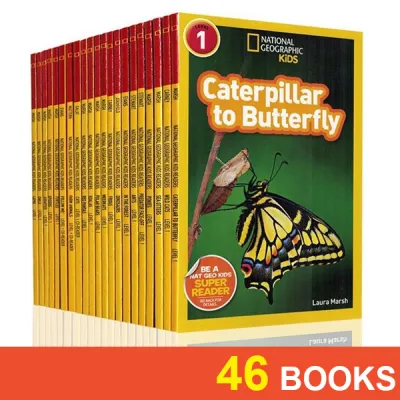
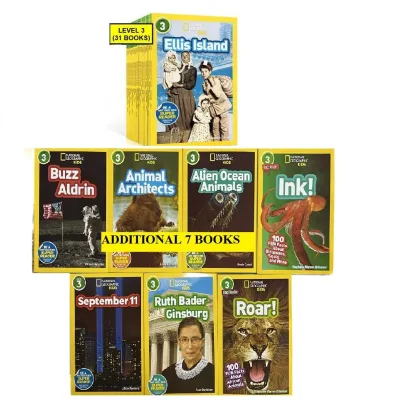
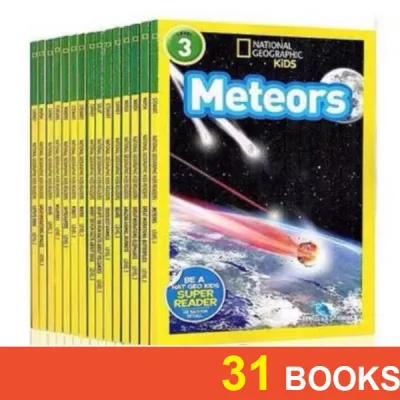
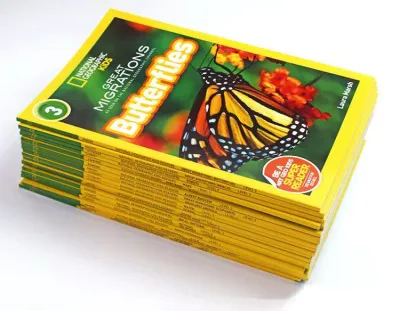
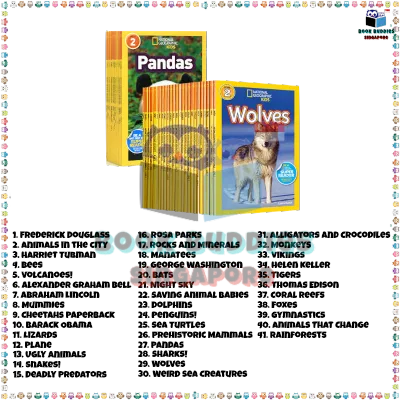
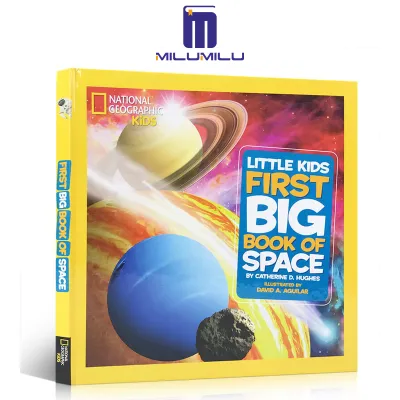
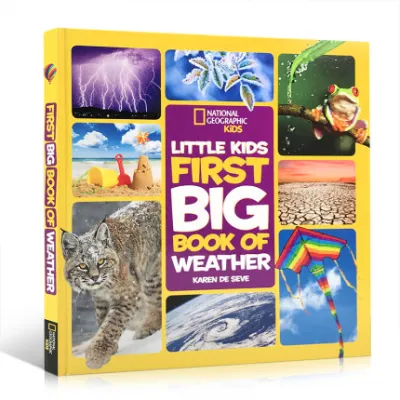
Prices are valid at publication and may change. Please refer to the product page for the latest price.
Common themes covered in each issue include wildlife biology, earth science, global geography, and historical events. These subjects are framed through an adventurous, exploratory lens that highlights unusual animal behaviors, scientific discoveries, and cultural traditions. The tone is consistently enthusiastic and educational, aiming to inspire wonder about the natural world while introducing foundational scientific concepts.
It is also important to note that content complexity can vary from issue to issue. While one month might feature a highly visual spread on marine life with simple, descriptive captions, the next month might delve into a more complex historical or space exploration topic that introduces specialized vocabulary. This natural variation means some pages will be easier for your child to navigate independently than others.
Signs Your Child Is Ready for This Magazine
Determining readiness involves observing your child’s daily reading habits and cognitive development. A key indicator is independent reading stamina, specifically the ability to focus on multi-paragraph non-fiction text without becoming quickly fatigued. If your child can comfortably read a short chapter book or an informational school passage on their own, they likely possess the stamina required for the magazine’s main features.
Another strong signal is a natural, active curiosity about the world around them. Children who frequently ask detailed \”how\” and \”why\” questions about animals, weather patterns, space, or different cultures are the ideal audience for this publication. This intrinsic motivation is crucial, as a child who is genuinely interested in a topic is far more likely to persist through challenging text and unfamiliar concepts.
You should also assess your child’s comfort level with complex vocabulary. A ready reader does not need to know every word on the page, but they should demonstrate a willingness to use context clues, read accompanying captions, or refer to glossary boxes to understand new terms. If they encounter a word like \”ecosystem\” or \”migration\” and show interest in figuring out its meaning rather than immediately closing the page, they are ready for this level of content.
Finally, observe the types of media and materials your child naturally gravitates toward during their free time. If they frequently choose informational books, science-themed documentaries, or educational websites over purely fictional entertainment, a subscription to an educational magazine is a logical next step that will align perfectly with their established interests.
When to Wait or Choose a Different Educational Magazine
While the magazine is an excellent educational resource, it may not be the right fit for every child at this moment. Signs of frustration are clear indicators that it might be best to wait. If you observe your child flipping through the pages rapidly, looking only at the photographs while completely ignoring the text, or losing interest after just a few minutes, the reading level and text density may be too advanced for their current stage.
In these situations, forcing the material can create a negative association with reading. Instead, consider starting with an early-reader nature magazine or a more visually driven publication that uses larger fonts, simpler sentence structures, and minimal text. These alternative options serve as excellent stepping stones, helping children build confidence and basic literacy skills before transitioning to more complex layouts.
A child’s reading preferences also play a significant role. If your child strongly prefers narrative fiction—such as stories with clear characters, plots, and dialogue—they may find the factual, expository style of an educational magazine dry or unappealing. For these readers, it is often more effective to build non-fiction reading endurance gradually by introducing narrative non-fiction books that blend storytelling with real-world facts.
Additionally, take your child’s current academic workload into account. If they are already feeling overwhelmed by school reading assignments and structured learning, introducing another educational publication might feel like an extension of their schoolwork. In such cases, waiting for a school holiday or choosing a purely recreational, story-based magazine can provide a much-needed mental break while still encouraging a love for reading.
How to Test the Fit Before You Subscribe
To avoid committing to an annual subscription that might go unused, parents can easily test the magazine’s fit beforehand. You can look for digital previews or sample pages on the publisher’s official website, or purchase a single back issue at local bookstores in Singapore. Alternatively, borrowing a few recent issues from a public library is an excellent, risk-free way to observe how your child interacts with the content over several days.
Once you have a sample copy, schedule a shared reading session. Sit together and observe their engagement levels: note whether they are drawn to the text or only the images, what kinds of questions they ask, and whether they show signs of cognitive fatigue like restlessness or distraction. This hands-on trial allows you to gauge their comprehension and interest in real time.
Before finalizing any purchase, remember to check the publisher’s official subscription terms. Many offer flexible options, such as the ability to switch between different age-specific spin-off editions if you find the standard version is too difficult or too simple. Some subscriptions also include digital access, which can be a convenient option for families who travel frequently.
Finally, evaluate the total subscription value in S$ against your child’s likely usage frequency. If they only spend a few minutes with each issue, buying occasional single copies at a local bookstore may be more economical than a full year’s commitment. However, if they return to the same issue repeatedly to reread articles and study the photos, an annual subscription represents excellent educational value.
Frequently Asked Questions (FAQ)
Does National Geographic Kids offer different difficulty levels?
Yes, the publisher’s official catalog typically includes different tiers designed for various developmental stages, such as versions tailored specifically for toddlers and preschoolers. Parents should compare the text density, font size, and vocabulary of these different editions on the official website before choosing a subscription.
Can the magazine help improve a reluctant reader's skills?
For some children, the combination of striking photography and high-interest topics like animals or space can act as a powerful motivator to practice reading. However, if a child’s reluctance is due to underlying reading difficulties or learning differences, a magazine alone is not a substitute for targeted educational intervention and professional support.
Is the digital version better than the print edition for children?
The choice depends on your family’s preferences and screen time guidelines. Print editions offer a tactile, distraction-free reading experience that can help children focus, while digital versions may include interactive elements or audio features. Choose the format that best supports your child’s learning style and fits into your household’s media rules.
Community discussion
Share your experience or ask a question. Comments are reviewed before publication.