
When building a children’s home library or selecting the perfect literary gift, the choice between hardcover storybooks and paperbacks is one of the most practical decisions you will make. Hardcover storybooks offer exceptional durability, structural integrity, and a premium presentation that makes them ideal for milestone gifts and heavy daily use by younger children. Conversely, paperbacks provide a lightweight, budget-friendly, and space-saving alternative that is highly suited for older children, travel, and rapid collection building.
Understanding how these two formats perform under real-world conditions helps you balance the initial financial investment against the long-term lifespan of the book. By evaluating the physical construction, durability, aesthetic appeal, and practical trade-offs of each format, you can make an informed choice that matches your child’s reading habits and your family’s lifestyle.
Understanding the Build: Hardcover vs. Paperback Construction
To appreciate why these formats perform differently, look at how they are physically constructed. Hardcover storybooks, or casebound books, feature a rigid protective cover made of thick cardboard wrapped in printed paper, cloth, or synthetic materials. The interior pages (the text block) are sewn together in sections or bound with strong adhesive before being attached to the outer cover using durable endpapers. This construction creates a strong, flexible hinge that allows the book to be opened and closed repeatedly without losing its shape.
Products mentioned in this guide
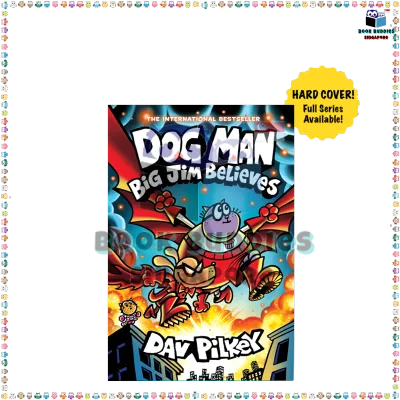
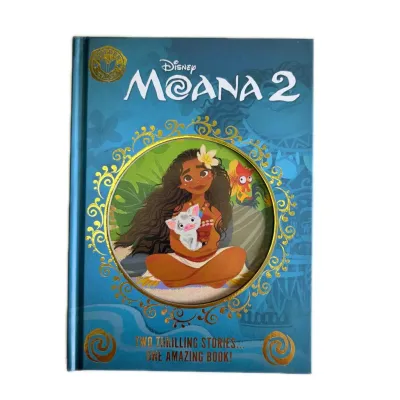
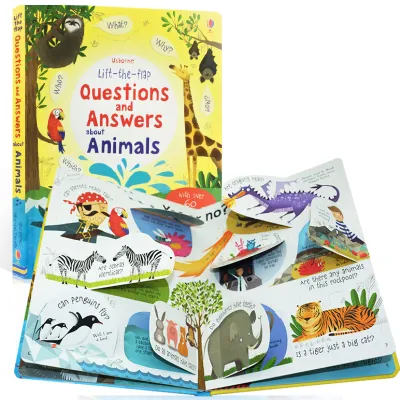
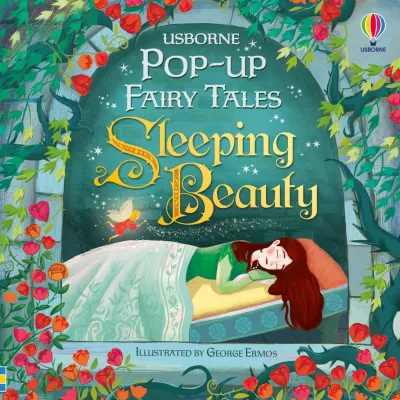
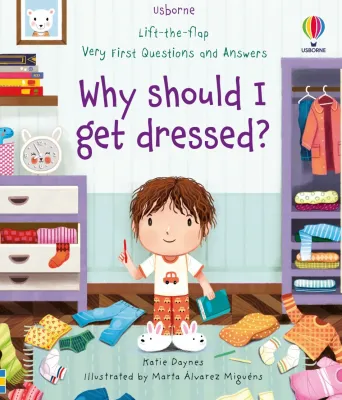
Prices are valid at publication and may change. Please refer to the product page for the latest price.
In contrast, paperback storybooks, or softcovers, utilize a single sheet of thick, flexible cardstock for the cover. The interior pages are usually bound using perfect binding, where the back edges of the pages are glued directly to the inside spine of the cardstock cover. This method is highly efficient but results in a stiffer spine that lacks the structural reinforcement of a hardcover.
The paper weight used inside these books also varies. Hardcover editions frequently feature thicker, higher-grade paper with a higher weight rating, which provides a tactile reading experience and resists accidental tears. Paperbacks often use lighter, thinner paper to maintain flexibility and keep the overall weight low.
These construction differences directly affect how the book behaves during reading. Because of their sewn bindings, many hardcover storybooks can lie completely flat on a lap or table without the reader needing to apply constant pressure. Paperbacks tend to spring closed unless the reader actively holds them open or creases the spine, which can gradually weaken the adhesive binding over time.
Evaluating Durability for Long-Term Use and Active Reading
Active reading sessions with young children are rarely gentle, making durability a primary concern. Hardcover storybooks excel at resisting the physical wear and tear of daily handling. The rigid outer cover acts as a shield, absorbing the impact of drops, preventing corner dings, and keeping the interior pages flat and uncreased even when the book is stored haphazardly.

The spine of a hardcover is designed with a small gap between the outer spine and the bound pages, allowing the book to open fully without putting direct stress on the outer cover. This structural design ensures long-term binding longevity, allowing the book to withstand repeated, enthusiastic page-turning by toddlers who are still developing fine motor skills.
Paperbacks, while flexible, are far more vulnerable to physical damage. The soft cardstock cover easily bends, creases, and tears, and the corners can quickly become frayed or dog-eared. Without a rigid protective shell, the interior pages are highly susceptible to bending and tearing if handled roughly.
In warm, humid climates like Singapore, paperbacks face additional environmental challenges. High humidity levels can cause the flexible cardstock covers of paperbacks to curl outward and the interior pages to warp or absorb moisture. Hardcovers, with their heavy cardboard cores and protective coatings, are much more resistant to these climate-induced structural changes.
To determine when a book in your collection needs attention, perform regular visual checks. Look for signs of spine splitting, where the glue in a paperback begins to crack and separate from the pages, or peeling laminate on the cover. In hardcovers, check the inner hinges for tearing endpapers or loose threads, which are early indicators that the binding is starting to fail.
Gift-Giving Appeal: Presentation and Keepsake Value
When selecting a book as a gift for a special occasion, the physical presentation plays a significant role in the overall experience. Hardcover storybooks carry a distinct visual weight and physical presence that immediately signals high quality and thoughtfulness. The substantial feel of a hardcover in hand makes the act of giving and receiving the book feel like a memorable event.
Publishers often reserve their most premium design elements for hardcover editions. When browsing for a gift, you will often find hardcovers adorned with beautiful dust jackets, foil-stamped lettering, embossed textures, or spot UV finishes that catch the light. These decorative features add a layer of tactile and visual luxury that is rarely found on standard paperback editions.
Beyond the immediate presentation, hardcovers possess exceptional keepsake value, making them the preferred choice for milestone events such as baby showers, first birthdays, or holiday celebrations. The sturdy inside covers and blank endpapers provide the perfect canvas for writing a personalized, handwritten inscription that will remain intact for decades.
A well-made hardcover storybook can easily become a family heirloom, passed down from one generation to the next. The durability of the format ensures that the book can survive childhood intact, preserving not just the story itself, but also the memories of shared bedtime reading sessions for years to come.
Practical Trade-Offs: Cost, Storage, and Portability
While hardcovers offer clear advantages in durability and presentation, building a children’s book collection requires balancing these benefits against practical household considerations. Cost is often the most immediate factor. Hardcover storybooks require a larger initial financial investment, often retailing for significantly more than their paperback counterparts.
To assess the true value of your purchase, consider the cost-per-read rather than just the upfront price. A hardcover book that costs more initially but survives hundreds of readings by multiple siblings without falling apart may ultimately offer better long-term value than a cheaper paperback that requires replacement after a few months of rough handling. You can easily compare these options by checking local retail prices in S$ at your preferred bookstore to see if the price premium aligns with your budget.
Storage space is another critical consideration, particularly in compact urban homes where shelf space is limited. Hardcovers are thicker, wider, and heavier than paperbacks, meaning they occupy more physical space on a bookshelf and require sturdy, well-supported shelving. A large collection of hardcovers can quickly overwhelm a small room.
Paperbacks, with their slim profiles and lightweight construction, are highly space-efficient. You can easily store two or three paperbacks in the space required for a single hardcover, allowing you to build a much larger and more diverse library within a limited area.
Portability is another area where paperbacks hold a clear advantage. If you frequently read on the go—whether during daily commutes, visits to the park, or while traveling—paperbacks are incredibly easy to pack. They slip effortlessly into diaper bags, backpacks, or carry-on luggage without adding unnecessary weight or bulk, making them the perfect companion for keeping children entertained outside the home.
How to Choose the Right Format for Your Child
Selecting the right format comes down to matching the book’s physical characteristics with your child’s age, reading habits, and the specific purpose of the purchase. By using a simple decision framework, you can ensure that every book you add to your collection serves its purpose effectively.
You should prioritize hardcover storybooks if you are purchasing a book as a formal gift, selecting a classic title that you want to keep in your family for years, or buying books for toddlers who are still learning how to handle pages gently. The structural strength of the hardcover will protect the book from the inevitable drops and rough handling of early childhood.
On the other hand, paperbacks are the ideal choice if you are looking to build a large, diverse home library on a budget, buying books for older children who have developed the fine motor skills to handle pages carefully, or need lightweight options for travel and school. Paperbacks allow you to introduce a wider variety of stories and authors to your child without a massive financial or spatial investment.
Before making your final purchase, always verify the availability of the specific title in your preferred format. While many popular children’s books are published in both hardcover and paperback, some independent titles, niche publications, or special editions may only be available in one format. Checking the publisher’s specifications or consulting with local booksellers will help you find the best available option for your needs.
Frequently Asked Questions (FAQ)
Are Board Books the Same as Hardcover Storybooks?
No, board books and standard hardcover storybooks are entirely different formats designed for different developmental stages. Board books are constructed from thick, rigid paperboard sheets that are glued directly together, resulting in pages that are highly resistant to bending, tearing, and moisture. They are specifically designed for infants and toddlers who tend to chew on books or handle them roughly. Standard hardcover storybooks feature a rigid outer cover, but the interior pages are made of standard paper, which can still be easily torn or damaged by very young children.
How Can I Extend the Lifespan of Paperback Storybooks?
To maximize the lifespan of your paperback storybooks, store them upright on a clean, dry bookshelf away from direct sunlight and areas of high humidity, which can cause the covers to curl and the pages to warp. Avoid packing the books too tightly on the shelf, as this can cause friction damage to the covers and edges. Perform regular visual checks for early signs of wear, such as minor tears or separating covers, and use acid-free book repair tape to reinforce the spine and hinges before the damage worsens. Encouraging children to turn pages gently from the top corner also helps prevent accidental tears.

Community discussion
Share your experience or ask a question. Comments are reviewed before publication.