
Toddlers explore their world with intense curiosity, which often translates to bending, throwing, and chewing their very first library. For parents and educators, watching a beautifully illustrated storybook disintegrate into soggy cardboard pulp is a familiar frustration. Finding durable board books that can withstand this aggressive phase requires looking beyond the cover art to the physical construction, material density, and binding methods of the book.
The most resilient options are designed specifically to counter the mechanical forces of a toddler’s hands and teeth. By understanding what makes certain books structurally superior, you can curate a collection that survives the toddler years intact. From synthetic waterproof pages to extra-thick compressed cardboard, the right materials ensure that reading remains a joyful, tear-free experience for both you and your child.
What Makes a Board Book Truly Durable?
The structural integrity of a board book depends heavily on the quality and density of the paperboard used during manufacturing. Standard board books are often made from lightweight greyboard, which consists of recycled paper fibers pressed together. While cost-effective, low-density greyboard easily absorbs moisture from saliva, causing the layers to swell, soften, and eventually peel apart under the pressure of tiny fingers. Heavy-duty, high-density paperboard resists this absorption, maintaining its rigid shape even when subjected to repeated bending.
Products mentioned in this guide
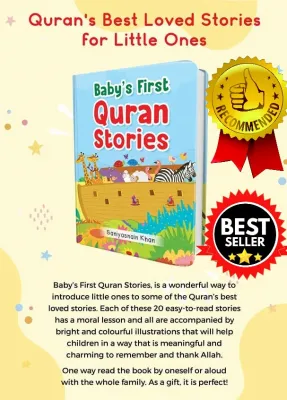
15 Lazada user ratings
very fast delivery. book was securely packed in bubble wrap yet easy to unwrap. item received sealed and in very good condition. nice pictur…Read full reviewShow less
very fast delivery. book was securely packed in bubble wrap yet easy to unwrap. item received sealed and in very good condition. nice pictures with simple stories though still a little too difficult for my toddler.
Easy-to-read stories, Beautiful illustrations, Colorful and bright, Engaging moral lessons,
Good item and value for money.
Item is excellent and great!
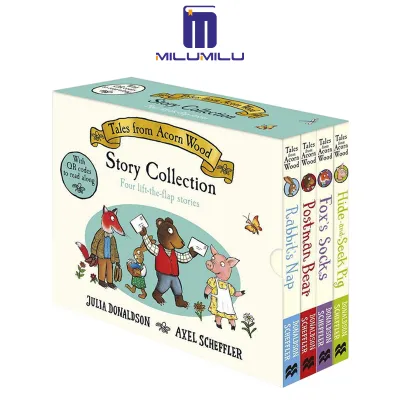
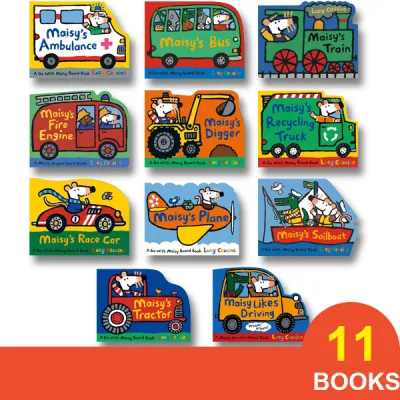
26 Lazada user ratings
Well packaged in original book set box. Price is value for money and seller was also prompt in replying enquiries. Highly recommend.
Came very nicely packed in bubble wrapped. Front cover picture and materials are so good and vibrant. Good for the kids.
good quality books, thick and colours are vibrant, suitable for toddlers to flip and read.
All new books. Well packed. Thanks seller
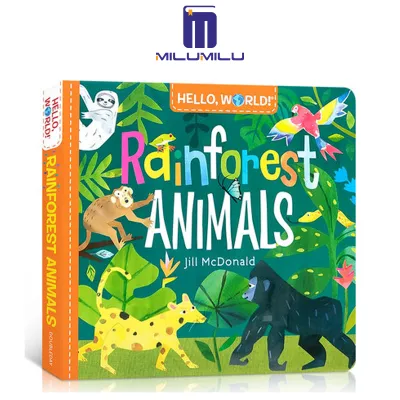
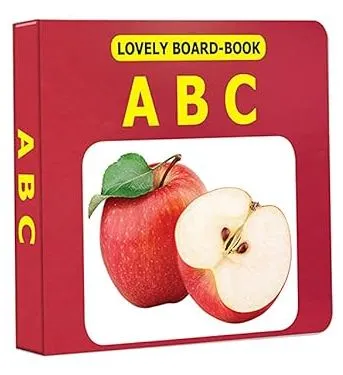
43 Lazada user ratings
Educational and entertaining, Encourages language and cognitive skills, Sturdy board book for little hands, Perfect for early childhood deve…Read full reviewShow less
Educational and entertaining, Encourages language and cognitive skills, Sturdy board book for little hands, Perfect for early childhood development,
Encourages language and cognitive skills, Teaches letters, numbers, and more, Educational and entertaining,
Teaches letters, numbers, and more, Great variety of ABC books, Sturdy board book for little hands,
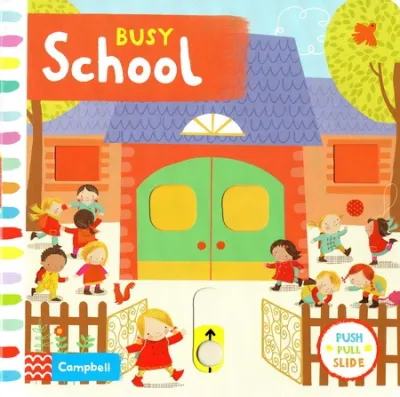
16 Lazada user ratings
Seller packed and bubble wrapped the books well, all received in good condition. Thank you very much for the update messages regarding the p…Read full reviewShow less
Seller packed and bubble wrapped the books well, all received in good condition. Thank you very much for the update messages regarding the package too.
received in good condition! bubble wrapped for protection. Thank you so much seller!!
So cuteeee! Can’t wait to show my nephew! Quick delivery too.
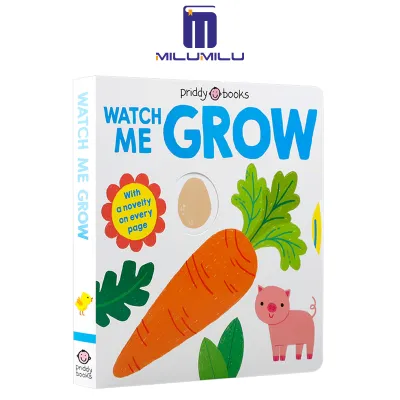
1 Lazada user ratings
Great book for my baby! Good quality, came very well packed.

Prices are valid at publication and may change. Please refer to the product page for the latest price.
Page coatings play a critical role in protecting the book from liquid damage. A high-quality glossy finish, typically achieved through a UV-cured liquid coating or a thin plastic lamination, acts as a barrier against drool and spills. Matte finishes, while reducing glare and offering a modern aesthetic, are often more porous and susceptible to moisture penetration. If a toddler frequently chews on book corners, a robust laminated coating is essential to prevent the paper fibers from dissolving.
The binding method is the spine of the book’s longevity. Most durable board books utilize a folded-and-glued construction, where double-sided pages are glued back-to-back to create a solid, continuous block. This method eliminates the need for thread or staples, which can pull through the cardboard over time. A reinforced spine, often wrapped in a secondary layer of heavy paper or fabric, prevents the individual spreads from splitting apart when the book is repeatedly opened flat or bent backward.
Finally, the shape of the book’s corners is a small but vital detail. Rounded corners are significantly more durable than sharp, square edges. Square corners are prone to denting when dropped on hard floors, which breaks the protective lamination seal and allows moisture to enter. Rounded corners distribute the impact of drops more evenly and offer fewer leverage points for a toddler to begin peeling back the paper layers.
Types of Durable Board Books for Aggressive Handling
Not all toddlers interact with books in the same way, meaning the ideal book design depends on your child’s specific habits. Some children are dedicated chewers who use books to soothe teething gums, while others are throwers who test gravity and structural strength by launching items across the room. Matching the physical format of the book to these behaviors is the most effective way to ensure your library survives.

A conditional shortlist of resilient book formats includes synthetic rip-proof books, extra-thick traditional board books, and cloth-bound hybrid designs. Each format leverages different material strengths to address specific types of wear. By identifying whether your child primarily chews, tears, or throws, you can select the format best suited to withstand their daily play.
Rip-Proof and Washable Material Books
For the most aggressive chewers and tearers, books made from synthetic, polymer-based materials offer unmatched durability. These books are constructed from ultra-thin, high-density polyethylene fibers that are spun together to create a paper-like material. This synthetic fabric is virtually impossible for a human to tear by hand, making it immune to the tugging and pulling of determined toddlers.
The standout feature of these synthetic books is their complete waterproof nature. They do not absorb saliva, water, or juice, allowing them to be submerged completely during bath time or rinsed clean in the sink. Because there are no paper fibers to dissolve, a teething baby can chew on the pages indefinitely without any risk of swallowing paper pulp or ruining the illustrations.
However, these books do have physical limitations that differ from traditional cardboard. The pages are highly flexible and lightweight, resembling thick paper rather than rigid boards, which may not provide the tactile weight some readers prefer. Additionally, while they will not tear, they can develop permanent creases and wrinkles if folded sharply, which alters their flat appearance over time.
Extra-Thick Traditional Board Books
If your toddler is prone to throwing, dropping, or stepping on books, extra-thick traditional board books are the most appropriate choice. These books feature pages that are significantly thicker than standard options, often measuring between two and three millimeters per page. This thickness provides the structural rigidity needed to resist bending and warping under heavy physical pressure.
The durability of these books relies on reinforced hinges and heavy-duty glued spines. The spine must be robust enough to support the weight of the thick pages without cracking or splitting when the book is dropped onto hard tile or wooden floors. Look for editions where the outer cover wraps continuously around the spine, providing an extra layer of reinforcement against impact.
While these heavy-duty cardboard books are excellent for resisting impact and bending, they are still vulnerable to prolonged moisture exposure. If left in a puddle of water or chewed on continuously, the edges will eventually soften and delamination occurs. Therefore, they are best reserved for supervised reading sessions or for children who have moved past the intense oral exploration phase.
Cloth-Bound and Soft-Touch Board Books
Cloth-bound and soft-touch board books offer a hybrid design that combines the structure of cardboard pages with the safety and resilience of fabric. These books often feature a padded outer cover made of foam wrapped in soft plastic or fabric, paired with thick interior board pages. The spine is frequently reinforced with a durable cloth binding rather than paper.
The fabric spine acts as a shock absorber, preventing the book from splitting when thrown or dropped repeatedly. Padded covers also provide a soft, yielding surface that is gentle on teething gums, reducing the likelihood of a child damaging the book or hurting their mouth. Furthermore, the soft edges minimize the risk of injury or damage to household items when a book is launched across a room.
Maintaining these hybrid books requires a slightly different approach than all-cardboard or all-synthetic options. Because the fabric elements can absorb dirt and liquids, they cannot be submerged in water without risking damage to the internal cardboard pages. Instead, they should be spot-cleaned using a damp cloth and a mild, baby-safe soap, then allowed to air dry completely in a well-ventilated area.
Features to Avoid When Buying for Rough Toddlers
When building a durable library for a rough toddler, knowing what to avoid is just as important as knowing what to look for. Many beautifully designed children’s books feature interactive elements that are simply not built to withstand aggressive handling. While these features are engaging, they often become immediate points of failure when left in the hands of a curious and energetic child.
Pop-ups, paper flaps, pull-tabs, and sliders should be avoided entirely during the rough play phase. These delicate paper mechanisms rely on thin joints and precise alignments to function. A single enthusiastic tug can rip a flap clean off the page, creating a choking hazard and leaving the book permanently damaged. Even reinforced “lift-the-flap” books made of thin cardboard will eventually crease and tear under repeated use.
Spiral bindings, whether made of plastic or metal, are also poor choices for toddlers. The individual loops of a spiral binding can easily be bent out of shape, preventing the pages from turning smoothly. More importantly, pages can be pulled off the spiral loops with relatively little force, and exposed wire ends can present a scratching hazard if the protective plastic coating wears away.
Finally, steer clear of board books that incorporate thin paper inserts, such as attached maps, envelopes, or miniature booklets. These inserts are rarely made of the same durable paperboard as the main pages and will quickly be torn or chewed. When browsing online marketplaces or physical bookstores, carefully read the product descriptions to ensure the book is a solid, standard board book without any fragile “novelty” elements.
How to Inspect and Maintain Board Books for Longevity
To maximize the lifespan of your toddler’s library, establish a routine of inspection and maintenance. When purchasing new books, inspect them immediately upon delivery or before leaving the store. Check the spine for any visible gaps in the glue, misaligned pages, or pre-existing dents along the corners, as these minor manufacturing defects can quickly escalate into major tears during play.
Cleaning board books regularly is essential for hygiene, but doing it incorrectly can ruin the pages. For standard coated board books, use a slightly damp microfiber cloth to wipe down the pages and covers. Avoid using soaking wet cloths, running water, or harsh chemical sprays, as excess moisture can seep into the exposed paperboard edges and cause the layers to swell and split. For sanitizing, a quick wipe with a baby-safe, alcohol-free sanitizing wipe is sufficient, provided you dry the book immediately afterward with a clean towel.
Proper storage conditions also play a vital role in preventing damage over time. Store board books vertically on a sturdy shelf rather than stacking them in tall, heavy piles, which can put uneven pressure on the spines and cause warping. Keep the bookshelf away from areas of high humidity, such as bathrooms, and out of direct sunlight, which can dry out the adhesives used in the binding and cause the vibrant cover illustrations to fade.
What to Verify Before Checkout
Before finalizing your purchase on any online marketplace or at a local retailer, take a moment to verify the exact specifications of the book. Online listings can sometimes be confusing, grouping multiple formats under a single product page. Ensure that the selected format is explicitly labeled as “Board Book” rather than “Hardcover” or “Paperback,” as a simple formatting error can result in receiving a book with fragile paper pages.
Pay close attention to the manufacturer’s age recommendations and durability claims. Books designed for infants and toddlers (ages 0 to 3) are more likely to feature rounded corners, non-toxic coatings, and thicker pages than those intended for older children. If the product description does not mention these safety and durability features, it may be worth looking for an alternative edition.
Lastly, review the retailer’s return and exchange policies regarding damaged or defective items. If a book arrives with a split spine, peeling lamination, or loose pages, you should be able to return or exchange it easily. Purchasing from reputable sellers with clear customer service policies ensures that you do not get stuck with a damaged product that cannot survive its first day in your home.
Frequently Asked Questions (FAQ)
Can I safely repair a torn or peeling board book page? (FAQ)
Yes, you can safely repair minor damage to a board book page using child-safe adhesives. If the paper layers are beginning to peel apart at the corners, apply a very thin layer of non-toxic, acid-free PVA glue or standard white school glue between the layers using a small brush or toothpick. Press the layers firmly together, wipe away any excess glue that squeezes out, and place a heavy object on top of the book while it dries to ensure a flat, secure bond.
If a page is completely torn or the cardboard core is crumbling, it is often safer to discard the book rather than attempting a complex repair. Crumbling cardboard and loose pieces of paper can easily become choking hazards if a toddler puts them in their mouth. Always prioritize safety over saving a damaged book, especially for children who are still actively chewing on their toys.
Are all board books safe for teething babies to chew on? (FAQ)
No, not all board books are designed or certified to be safe for teething babies to chew on. Standard board books are printed using commercial inks and varnishes that may contain chemicals not intended for ingestion. While many modern publishers use soy-based inks, you should always check the product packaging or manufacturer’s website for explicit non-toxic certifications, such as compliance with ASTM D-4236 or EN71 safety standards.
Even if a book is printed with non-toxic materials, constant chewing will eventually break down the paper fibers, creating a soggy pulp that can be swallowed or choked on. For this reason, board books should never be used as a substitute for dedicated teething toys. Active adult supervision is always required when a baby or toddler is interacting with books to ensure they remain a safe tool for learning and play.

Community discussion
Share your experience or ask a question. Comments are reviewed before publication.