
Diving into a fantasy world is one of the most rewarding experiences a storyteller can offer, and experiencing that world through both the written word and the silver screen doubles the magic. For readers who want to compare the vivid imagery of their own imagination with the grand visions of filmmakers, choosing books with existing movie adaptations provides a perfect dual-medium journey. Whether you prefer sprawling epic landscapes, whimsical fairy tales, or magical schools, there is a rich library of fantasy literature that has successfully made the leap to cinema.
Comparing these mediums allows you to appreciate the unique strengths of each. Books offer unparalleled depth, letting you climb inside a character’s mind and explore complex lore at your own pace. Movies, on the other hand, bring these worlds to life with sweeping musical scores, stunning visual effects, and performances that can define how we visualize iconic characters for generations.
Epic and High Fantasy: Immersive Worlds to Explore
High fantasy invites readers and viewers into entirely realized worlds complete with their own histories, languages, and mythologies. At the absolute pinnacle of this genre stands J.R.R. Tolkien’s Middle-earth. Reading The Hobbit and The Lord of the Rings reveals a linguistic depth and historical density that no film could fully capture, as Tolkien spent decades crafting languages and lore before even writing the narrative. When transitioning to Peter Jackson’s film adaptations, viewers are treated to a cinematic scale that defined modern fantasy filmmaking.
Products mentioned in this guide
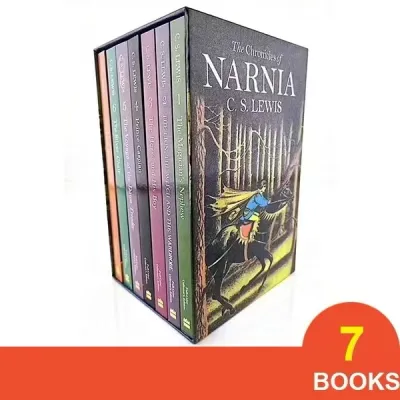
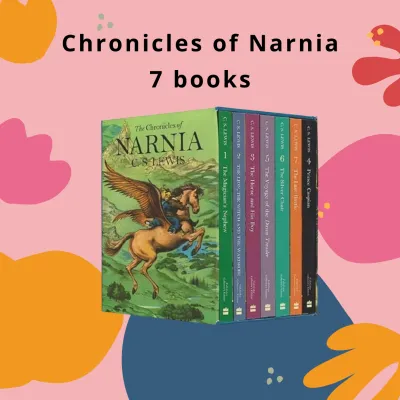
26 Lazada user ratings
Seller wrapped the books with bubble wrapped. 👍 Timeless children's classic, great book to read. Suitable for 9-12 years old. Helping a frie…Read full reviewShow less
Seller wrapped the books with bubble wrapped. 👍 Timeless children's classic, great book to read. Suitable for 9-12 years old. Helping a friend to buy.
Timeless children's classic, Magical Narnia world, Classic fantasy collection, Classic fantasy collection, Includes The Last Battle,
Colorful and engaging, Timeless children's classic. Love Narnia! Very engaging. Kids love them!
Thin paper cover, with some color pictures
bet good packing and quality
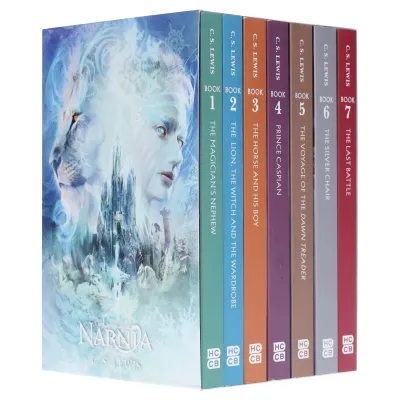
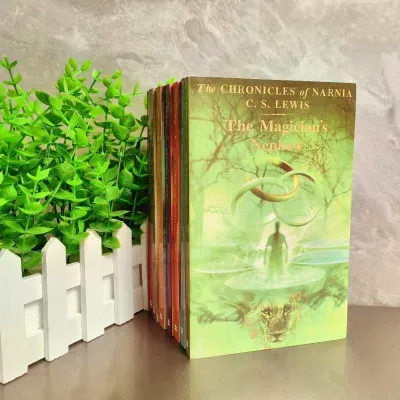
1 Lazada user ratings
excellent packaging and fast delivery. Daughter was super happy with this set of books.
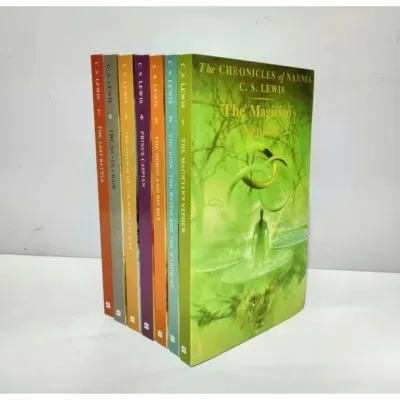
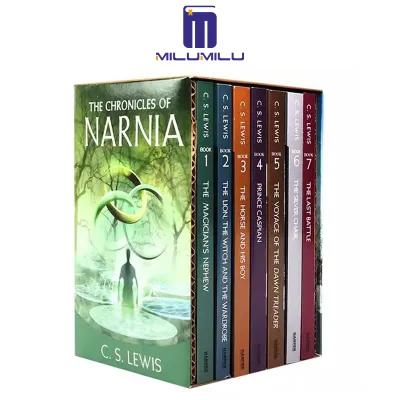
2 Lazada user ratings
Very nice product
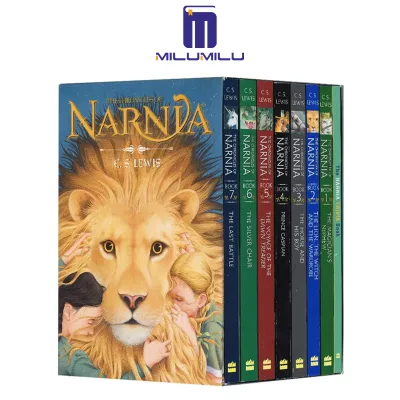
10 Lazada user ratings
Excellent value for money, Great addition to any book collection, Easy to read and understand, Well-packaged and arrived in perfect conditio…Read full reviewShow less
Excellent value for money, Great addition to any book collection, Easy to read and understand, Well-packaged and arrived in perfect condition. Glad of this purchase!
Easy to read and understand, Excellent value for money, Excellent value for money, Perfect gift for Narnia fans, Well-packaged and arrived i…Read full reviewShow less
Easy to read and understand, Excellent value for money, Excellent value for money, Perfect gift for Narnia fans, Well-packaged and arrived in perfect condition,
packed well, shipped promptly. no damage. nice set. easy print to read. fair price. very happy with the seller.
Beautifully designed box set, Well-packaged and arrived in perfect condition. thank you so much seller.
Beautifully designed box set,
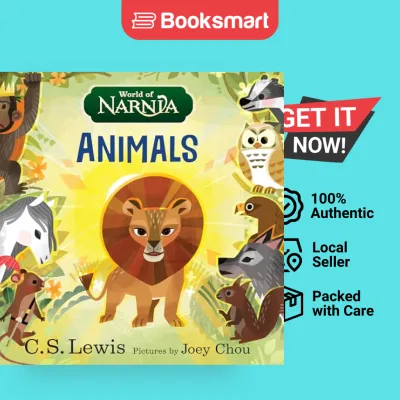
Prices are valid at publication and may change. Please refer to the product page for the latest price.
When planning your watch of the Middle-earth films, you will need to choose between the theatrical releases and the extended editions. The theatrical cuts offer a tighter, more traditionally paced cinematic narrative that is highly accessible for first-time viewers. In contrast, the extended editions restore crucial book-aligned lore, character development, and atmospheric scenes that satisfy dedicated readers but push the runtime of each film well over three hours.
In contrast to the gritty, historical weight of Middle-earth, C.S. Lewis’s The Chronicles of Narnia offers a different style of high fantasy. Lewis’s books, such as The Lion, the Witch and the Wardrobe, Prince Caspian, and The Voyage of the Dawn Treader, are deeply layered with allegorical themes and written with a charming, direct narrative voice. The film adaptations of these three books lean into family-friendly adventure, utilizing impressive practical effects and computer-generated imagery to bring the talking beasts and mythical creatures to life.
While the Narnia films capture the wonder of entering a wardrobe into a frozen land, they sometimes trade Lewis’s quiet, philosophical reflections for high-stakes action sequences designed to appeal to modern cinema audiences. This shift highlights the classic adaptation challenge of balancing thematic depth with visual excitement.
When deciding which of these epic journeys to embark on, consider your commitment level and thematic preferences. Tolkien’s works require a significant reading commitment, spanning hundreds of thousands of words of dense, descriptive prose, paired with films that demand long viewing sessions. Lewis’s books are much shorter and more accessible for younger readers, making them ideal for families to read aloud before watching the movies together. Additionally, Tolkien’s stories carry a mature, elegiac tone regarding the fading of magic, whereas Narnia maintains a lighter, more overtly hopeful atmosphere.
Magical Schools and Young Adult: Growing Up with Magic
For those who enjoy watching characters grow alongside their magical abilities, young adult and magical school fantasy franchises offer deeply satisfying, multi-installment journeys. J.K. Rowling’s Harry Potter series is the quintessential example of this subgenre, charting a clear progression of tone from whimsical children’s literature in the early books to dark, politically charged fantasy in the later volumes. The films mirror this evolution, shifting from the bright, warm palettes of the first two movies to the shadow-drenched, mature aesthetic of the final installments.

Reading the books alongside watching the films reveals the immense challenge of adaptation. As the novels grew into massive volumes, the films had to omit significant subplots, such as Hermione Granger’s house-elf advocacy group or the mischievous poltergeist Peeves. This forces viewers to rely on the books for the complete, unvarnished lore of the wizarding world, while the films serve as a highly polished visual highlight reel.
On a more compact scale, The Spiderwick Chronicles by Tony DiTerlizzi and Holly Black offers a different adaptation style. The original books are short, highly illustrated chapter books that focus on the Grace children discovering a hidden world of faerie creatures in their new estate. The 2008 feature film adaptation takes a consolidated approach, condensing the narrative arc of all five core books into a single, fast-paced movie.
This consolidation creates a highly energetic cinematic experience but sacrifices the slow-burn mystery and detailed creature interactions found in the individual books. The film acts as a rapid-fire adventure that hits the major plot points in under two hours, whereas the books allow readers to linger in the eerie, magical atmosphere of the Spiderwick estate.
Navigating these franchises requires managing expectations regarding age appropriateness and lore completeness. The early installments of both series are highly suitable for younger audiences, but the later Harry Potter books and films deal with heavy themes of grief, mortality, and systemic corruption. Furthermore, because Harry Potter is a completed eight-film saga, it offers a sense of narrative closure that few other franchises can match, making it a highly rewarding long-term project for readers and viewers alike.
Fairy Tales, Romance, and Whimsical Fantasy
If you prefer standalone stories, romantic subplots, or whimsical aesthetics over massive, multi-book commitments, the realm of fairy-tale fantasy offers brilliant page-to-screen adaptations. Neil Gaiman’s Stardust is an excellent study in how a story’s tone can shift between mediums. Gaiman’s original novel is a dark, atmospheric fairy tale with a bittersweet ending, drawing heavily on pre-Victorian folklore and featuring a somewhat detached, ironic narrative voice.
The 2007 film adaptation, however, transforms the story into a bright, swashbuckling adventure-romance. While the movie retains the core plot of a young man venturing into a magical realm to retrieve a fallen star, it injects humor, spectacular action set-pieces, and a much more traditional, uplifting ending. This contrast makes both versions highly enjoyable in their own right, depending on whether you are in the mood for a gothic fairy tale or a lighthearted romantic adventure.
Another masterpiece of whimsical fantasy is Diana Wynne Jones’s Howl’s Moving Castle. The original novel is a clever, character-driven story that subverts classic fairy-tale tropes, focusing on the stubborn Sophie Hatter and the vain, dramatic wizard Howl as they navigate a complex web of curses and family dynamics. When Studio Ghibli adapted the book into an animated feature, they created a visually stunning masterpiece that diverged significantly from the source material.
The animated film introduces strong anti-war themes, alters character motivations, and simplifies the plot to focus on breathtaking visual storytelling and the emotional connection between the leads. Both versions are highly acclaimed, but they offer entirely different artistic experiences. The book provides a witty, dialogue-heavy domestic comedy, while the film offers a dreamlike, visual journey through a war-torn magical world.
William Goldman’s The Princess Bride presents a unique case where the book and the movie are inextricably linked, largely because Goldman wrote both the novel and the screenplay. The novel is famous for its meta-narrative framing device, presenting itself as an abridged version of a historical work by a fictional author, complete with Goldman’s humorous commentary on what was left out. The film adaptation brilliantly translates this humor to the screen by replacing the written commentary with the iconic framing device of a grandfather reading the story to his grandson.
This clever adaptation choice preserves the self-aware, satirical tone of the book while delivering a timeless, romantic adventure that appeals to all generations. When choosing among these standalone options, consider your tolerance for plot changes. While The Princess Bride remains highly faithful to its source, Stardust and Howl’s Moving Castle require readers to appreciate the book and the film as distinct, independent works of art.
How to Plan Your Read-and-Watch Experience
To get the most out of your dual-medium fantasy journey, a little planning goes a long way, starting with how you source your materials. When choosing book formats, consider whether you prefer physical paperbacks, e-books for convenience, or audiobooks, which often feature professional voice actors who bring fantasy accents and dialects to life. If you are purchasing physical copies in Singapore, paperbacks typically range from S$15 to S$30 depending on the edition and bookstore.
You will also face the choice between original cover art and movie-tie-in covers. Original artwork often preserves the classic aesthetic of the fantasy world, whereas movie-tie-in covers feature film stills or promotional posters, which some collectors find less timeless. Before making any purchase, always verify the specific edition, language, medium or file format, regional restrictions, device compatibility, and content completeness to ensure you are getting the authorized, unabridged version of the text.
Finding the corresponding film adaptations requires navigating the ever-shifting landscape of digital media. Because streaming rights change frequently due to licensing agreements, you should verify current availability on major streaming platforms accessible in Singapore before planning a movie night. Alternatively, you can check local library digital catalogs, such as the National Library Board’s Libby or OverDrive platforms, which frequently offer digital movie rentals, audiobooks, and e-books for free to registered members.
When streaming or purchasing digital films, pay close attention to regional restrictions and device compatibility to avoid playback issues on your home entertainment system. Checking these technical specifications beforehand ensures a seamless transition from the final page of your book to the opening credits of the film.
The sequence in which you consume these stories is a matter of personal preference, and both paths have distinct advantages. Reading the book first allows your imagination to build the characters, magic systems, and landscapes without external influence, preserving the author’s original pacing and detailed subplots. However, if you struggle to visualize complex, high-fantasy worlds or keep track of large casts of characters, watching the movie first can provide a helpful visual framework. This visual anchor makes the subsequent reading experience smoother, allowing you to focus on the deeper lore, internal monologues, and deleted scenes that the film could not accommodate.
Frequently Asked Questions (FAQ)
Should I read the book or watch the movie first?
Choosing whether to read the book or watch the movie first depends on what you value most in your storytelling experience. Reading first preserves the element of surprise, allowing you to experience the plot twists, character developments, and world-building exactly as the author intended, without being influenced by a director’s casting or visual choices. This approach ensures you get the full, uncompressed narrative before seeing what was cut for the screen.
On the other hand, watching the movie first can make dense fantasy novels much more accessible. If a book features complex magic systems, invented languages, or a massive roster of characters, seeing them visualized on screen first provides an immediate mental map. This visual foundation makes the book easier to follow and allows you to appreciate the deeper lore without feeling overwhelmed by the initial world-building.
Why do fantasy movie adaptations leave out my favorite book scenes?
The omission of beloved book scenes in movie adaptations is almost always a result of the fundamental differences between literary and cinematic storytelling. Novels have no strict time limits, allowing authors to explore minor subplots, internal thoughts, and extensive world history over hundreds of pages. Films, however, must typically tell a complete story within a two-to-three-hour window, requiring screenwriters to streamline the narrative into a tight, visual three-act structure.
This adaptation process often necessitates consolidating multiple secondary characters into a single role, cutting subplots that do not directly advance the main conflict, and translating internal magic systems into external, visual actions. To explore the lore that did not make the final cut, you can look for authorized companion books, published screenplays, or director’s cut home media releases, which often restore deleted scenes and offer behind-the-scenes insights into the adaptation process.

Community discussion
Share your experience or ask a question. Comments are reviewed before publication.