
Deciding whether to buy a fantasy book after watching its movie adaptation comes down to what you value most in a story. If you appreciate deep worldbuilding, internal character psychology, and complex subplots, buying the fantasy book is highly worthwhile. However, if your primary interest lies in visual action, fast pacing, and the main plot beats, the movie adaptation may already provide everything you need. Films are bound by strict runtime constraints, usually forcing screenwriters to compress hundreds of pages of dense prose into a two-hour visual experience. This compression inevitably results in the removal of critical narrative layers that define the fantasy genre.
One of the most significant casualties of the screen adaptation process is the internal monologue. In a novel, readers spend chapters inside a character’s mind, understanding the subtle motivations, fears, and moral dilemmas that drive their actions. On screen, these complex psychological landscapes must be translated into external dialogue or facial expressions, which often fail to capture the full depth of a character’s strategic decisions. Without this internal context, a protagonist’s choices in a movie can sometimes feel abrupt or unearned.
Furthermore, intricate magic systems and historical lore are frequently simplified or omitted entirely in films. Authors spend years constructing logical rules for their magic, detailing the physical toll it takes, its economic impact, and its historical origins. Movies rarely have the screen time to explain these rules without resorting to clunky, exposition-heavy dialogue. Consequently, magic on screen often looks like a convenient plot device rather than a deeply integrated, systemic part of the fantasy world.
Products mentioned in this guide
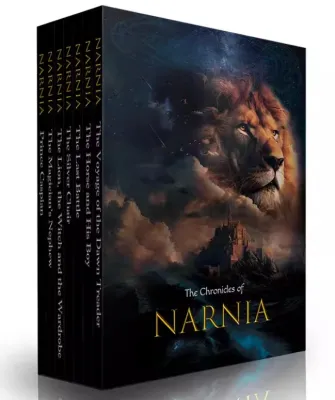
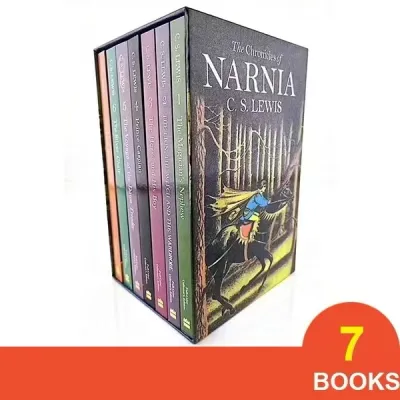
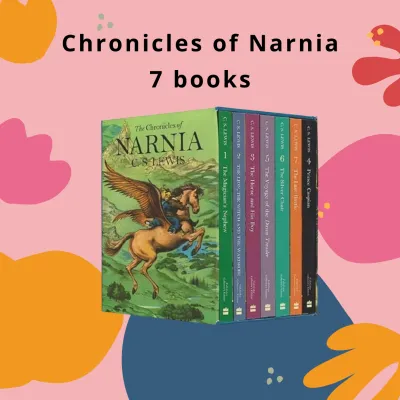
26 Lazada user ratings
Seller wrapped the books with bubble wrapped. 👍 Timeless children's classic, great book to read. Suitable for 9-12 years old. Helping a frie…Read full reviewShow less
Seller wrapped the books with bubble wrapped. 👍 Timeless children's classic, great book to read. Suitable for 9-12 years old. Helping a friend to buy.
Timeless children's classic, Magical Narnia world, Classic fantasy collection, Classic fantasy collection, Includes The Last Battle,
Colorful and engaging, Timeless children's classic. Love Narnia! Very engaging. Kids love them!
Thin paper cover, with some color pictures
bet good packing and quality
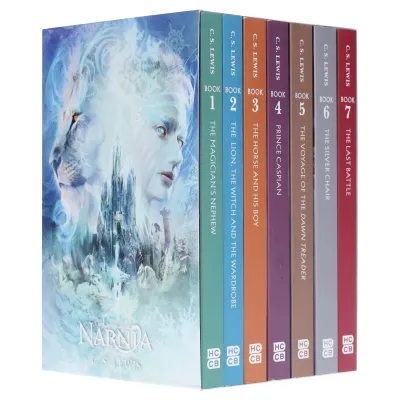
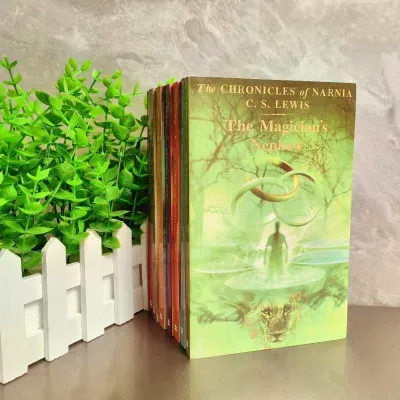
1 Lazada user ratings
excellent packaging and fast delivery. Daughter was super happy with this set of books.
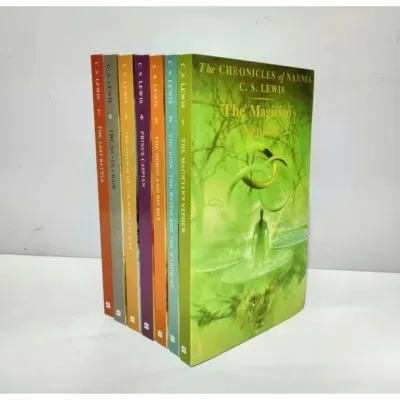
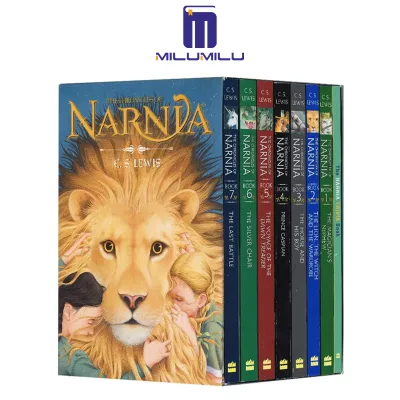
10 Lazada user ratings
Excellent value for money, Great addition to any book collection, Easy to read and understand, Well-packaged and arrived in perfect conditio…Read full reviewShow less
Excellent value for money, Great addition to any book collection, Easy to read and understand, Well-packaged and arrived in perfect condition. Glad of this purchase!
Easy to read and understand, Excellent value for money, Excellent value for money, Perfect gift for Narnia fans, Well-packaged and arrived i…Read full reviewShow less
Easy to read and understand, Excellent value for money, Excellent value for money, Perfect gift for Narnia fans, Well-packaged and arrived in perfect condition,
packed well, shipped promptly. no damage. nice set. easy print to read. fair price. very happy with the seller.
Beautifully designed box set, Well-packaged and arrived in perfect condition. thank you so much seller.
Beautifully designed box set,
Prices are valid at publication and may change. Please refer to the product page for the latest price.
Finally, secondary character arcs and political subplots are routinely cut to keep the cinematic narrative moving forward. A novel can easily support multiple parallel storylines, exploring the political machinations of rival factions or the personal growth of a minor companion. In a movie, these elements are often deemed distractions from the main protagonist’s journey. While this streamlining keeps the film’s pacing brisk, it strips the fantasy world of its scale, making the overarching conflict feel smaller and less consequential.
How These Omissions Change the Overall Story Experience
The transition from the printed page to the silver screen fundamentally alters how a story is paced and experienced. Reading a fantasy novel is a slow-burn commitment that encourages gradual discovery and deep immersion. You are invited to linger in quiet moments, explore the daily lives of the world’s inhabitants, and watch relationships develop naturally over hundreds of pages. In contrast, a movie must prioritize momentum, transforming a slow, atmospheric journey into a series of high-stakes visual sequences and streamlined plot points.
This shift in pacing directly impacts character depth, sometimes leaving cinematic versions of beloved figures feeling flatter or less sympathetic. When a film cuts a character’s backstory, their ancestral struggles, or their quiet moments of vulnerability, it removes the emotional scaffolding that makes their ultimate triumph or tragedy resonate. A character who is deeply flawed but understandable in the book might come across as merely irritating or one-dimensional on screen because the audience lacks the context of their past trauma or societal pressures.
Another profound change lies in the loss of personal imagination. When you read a book, your mind actively collaborates with the author to construct the appearance of creatures, the mechanics of spellcasting, and the layout of ancient cities. A movie replaces this active imagination with a single, fixed visual interpretation. While stunning CGI and art direction can be breathtaking, they also lock your perception of the story. Once you have seen a cinematic depiction of a mythical beast or a legendary fortress, it becomes incredibly difficult to envision them any other way, sometimes shrinking the boundless potential of the written word into a rigid set of visual assets.
Fantasy Book vs Movie: Decision Framework for Buyers
To help you decide whether to invest your time and money in a physical or digital copy of a fantasy book after watching its film adaptation, it is helpful to evaluate your personal preferences against what each medium does best. The choice is rarely about which version is objectively superior, but rather which format aligns with your current entertainment goals and reading habits.

You should choose the book if you find yourself asking lingering questions about the world’s history, the rules of its magic, or the unresolved fates of minor characters. If you finished the movie wishing you could spend more time in that universe, the original novel will provide the uncut subplots, rich lore, and complete character arcs you crave. The book is also the ideal choice if you enjoy complex, multi-layered storytelling where the journey itself is more important than simply reaching the resolution.
Conversely, you may want to stick to the movie if you prefer high-octane visual spectacles, rapid narrative progression, and a story that feels emotionally complete within a single sitting. If the film’s main plot beats satisfied your curiosity and you have no desire to navigate hundreds of pages of descriptive prose or complex political alliances, the cinematic version has likely served its purpose for you.
Before making a purchase, it is crucial to verify the specific edition and format of the book you are considering. Some fantasy movies are based on abridged versions of novels, or they may rely on a specific translation that differs significantly from other editions available in bookstores. Additionally, authors occasionally release revised editions that alter the canon, add new chapters, or include extensive appendices that detail the world’s history. Checking these details ensures you do not accidentally purchase an edition that lacks the complete content you expect.
| Reader Goal / Preference | Choose the Fantasy Book | Stick to the Movie Adaptation |
|---|---|---|
| Narrative Depth | High; features uncut subplots, detailed lore, and internal monologues. | Moderate; focuses on core plot beats and essential character arcs. |
| Pacing & Speed | Slow-burn; requires a significant time investment to finish. | Fast-paced; delivers a complete story experience in a few hours. |
| Worldbuilding | Intricate; explains magic systems, history, and political structures. | Visual; relies on art design and CGI to imply the world's scale. |
| Character Focus | Deep; explores psychological motivations and complex backstories. | Action-oriented; prioritizes visible decisions and external conflict. |
Steps to Evaluate if a Specific Fantasy Book is Worth Buying
If you are standing in a local bookstore in Singapore or browsing an online marketplace, you can take several practical steps to determine if a specific fantasy book is worth adding to your collection. These steps will help you look past the movie tie-in cover and assess the actual value of the written material.
First, examine the physical structure of the book, including its page count and chapter layout. A massive page count is often a strong indicator of substantial unadapted material, suggesting that the film had to leave out a significant portion of the narrative. Look at the table of contents to see if there are chapters dedicated to different character perspectives or regions of the world that did not appear in the movie. This structural check helps you gauge the sheer volume of new content waiting to be discovered.
Second, read the first chapter or a sample excerpt to evaluate the author’s writing style. Even the most compelling fantasy world can be difficult to enjoy if the prose style, vocabulary, or narrative pacing does not align with your reading preferences. Pay attention to how the author describes the environment and handles dialogue; if the writing feels engaging and immersive, it is a strong sign that you will enjoy spending dozens of hours with the text.
Third, search for reader reviews on reputable book platforms, specifically looking for discussions about the differences between the book and the movie. Seek out reviews that mention expanded lore, alternate endings, or character developments that were completely absent from the screen. This feedback from other readers can confirm whether the book offers genuine added value or if the film was an unusually faithful adaptation that left very little on the cutting room floor.
Finally, verify the edition details to ensure compatibility with your reading preferences. If you are buying a physical book, check if it is a trade paperback or a hardcover edition, and verify that the print size is comfortable for your eyes. For digital editions, ensure the file format is compatible with your e-reader and check for any regional restrictions that might affect your access to the title. Taking these precautions prevents buyer’s remorse and ensures a seamless transition from screen to page.
Frequently Asked Questions (FAQ)
Are fantasy books always better than their movie adaptations?
Whether a fantasy book is better than its movie adaptation is entirely subjective and depends on what you value most in your media consumption. Books excel at providing unmatched depth, internal character perspectives, and a canvas for your own imagination to build the world. However, movies offer unique advantages, such as stunning visual spectacles, powerful musical scores, and a shared social experience. In some cases, a film adaptation can actually improve upon the source material by streamlining convoluted plots, tightening the pacing, or fixing structural issues that made the original book difficult to read. Both mediums have distinct strengths, and an adaptation can be highly successful even when it diverges from the book.
Should I read the fantasy book before or after watching the movie?
The ideal order depends on how you prefer to experience surprises and build your mental images of the story. Reading the book first allows you to experience the narrative in its most complete form, preserving your personal imagination and preventing cinematic casting choices from dictating how you picture the characters. On the other hand, watching the movie first can provide a helpful visual baseline, making it easier to keep track of complex landscapes and large casts of characters when you eventually read the book. Watching the film first also allows you to enjoy the movie’s pacing without being constantly distracted by the changes and omissions made to the original text.
Community discussion
Share your experience or ask a question. Comments are reviewed before publication.