
Classic gothic literature offers a captivating escape into worlds of shadows, suspense, and intense emotion. For readers looking to explore this enduring genre, the sheer volume of historical texts can feel overwhelming. Beginning your journey with a curated selection of foundational works ensures you experience the very best the genre has to offer while building a solid understanding of its key tropes. Novels like Mary Shelley’s Frankenstein, Bram Stoker’s Dracula, Charlotte Brontë’s Jane Eyre, and Emily Brontë’s Wuthering Heights serve as the perfect entry points, each representing a distinct branch of the gothic tradition.
By starting with these essential classics, you will discover how the genre evolved from simple ghost stories into complex explorations of human psychology, societal anxieties, and the supernatural. These works have shaped modern horror, mystery, and romance, making them highly relevant to contemporary readers. Whether you are drawn to the chilling dread of ancient curses or the stormy passions of haunted estates, these starter novels provide a rich and rewarding reading experience that will leave you eager to explore deeper into the shadows of literary history.
How to Choose Your First Classic Gothic Novel
Choosing your first classic gothic novel requires a quick assessment of your personal reading preferences and tolerance for older prose styles. The gothic genre is incredibly diverse, spanning from the late 18th century to the early 20th century. If you enjoy fast-paced suspense and visceral thrills, you will likely prefer the supernatural horror and monster-driven narratives of the late Victorian era. On the other hand, if you appreciate deep character development, emotional intensity, and atmospheric mystery, the psychological and romantic gothic novels of the mid-19th century will be a better fit.
Products mentioned in this guide
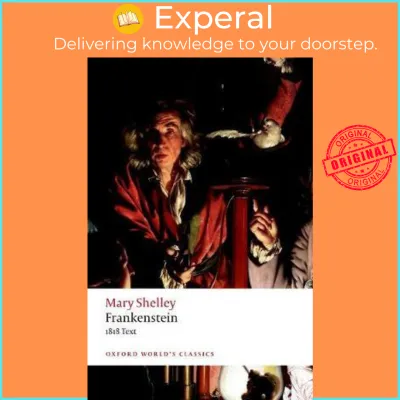

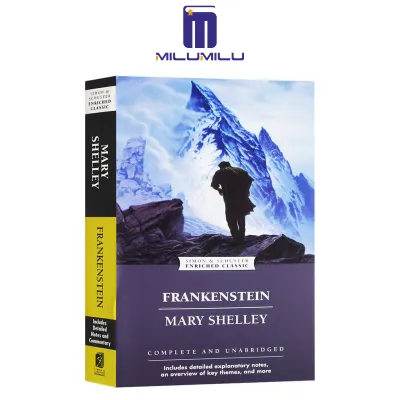
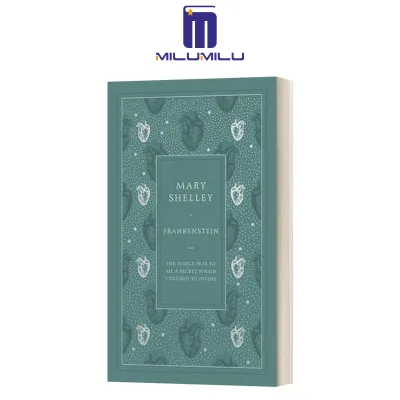
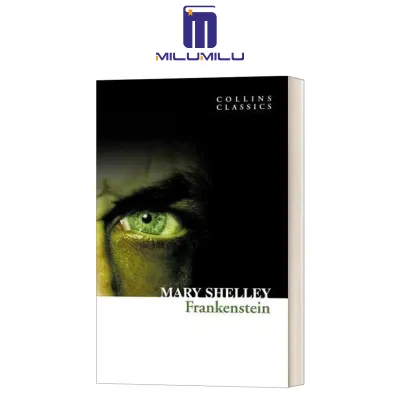
1 Lazada user ratings
💰Price:Great 📚Content Quality:Great 🔍Quality:Great ✍️Author:Great 📝Content:Great *Awesome Purchase! *Sister liked it! *Item is as advertised …Read full reviewShow less
💰Price:Great 📚Content Quality:Great 🔍Quality:Great ✍️Author:Great 📝Content:Great *Awesome Purchase! *Sister liked it! *Item is as advertised on the product page *No damage on the packaging or the item itself *Paying & receiving the item from the Delivery Courier was a breeze *Will order more from the Seller & Lazada! KUDOS!
Prices are valid at publication and may change. Please refer to the product page for the latest price.
Another critical factor to consider is the reading level and style of prose. Works written in the late 1700s often feature highly formal, complex sentence structures and archaic vocabulary that can slow down your reading speed. If you are not accustomed to reading pre-Victorian literature, starting with these early works might feel like a chore. Beginning with mid-to-late 19th-century novels offers a more accessible introduction, as the language and narrative pacing are much closer to modern storytelling conventions.
Your daily reading habits should also influence the format you choose for these classics. Physical books, particularly well-designed paperbacks or hardcovers with generous margins, are excellent for active reading and annotating. E-books are highly practical for gothic literature because most e-readers feature built-in dictionaries, allowing you to instantly look up archaic words with a single tap. Audiobooks are another fantastic option, especially for epistolary novels written in the form of letters and diaries, as a skilled voice actor can bring the dramatic, first-person perspectives to life and make the complex prose much easier to follow during a commute or quiet evening.
Foundational Classic Gothic Novels for Beginners
To help you build a targeted starter reading list, we have organized the essential classic gothic novels into three distinct categories based on their core themes and atmospheric appeal. This structure allows you to easily identify which books align with your current interests, whether you want to explore the boundaries of science and monstrosity, delve into the dark recesses of the human mind, or trace the historical origins of the genre itself. By selecting one book from each category, you can experience the full breadth and evolution of gothic fiction.

The Supernatural and Monster Classics
For readers who want to experience the ultimate thrill of supernatural dread and iconic creature-driven narratives, Mary Shelley’s Frankenstein and Bram Stoker’s Dracula are absolute essentials. These two novels did not just define the gothic genre; they laid the groundwork for modern horror and science fiction. Far from the simplified monsters depicted in popular culture, the original literary creations are deeply complex figures that challenge our understanding of morality, science, and humanity.
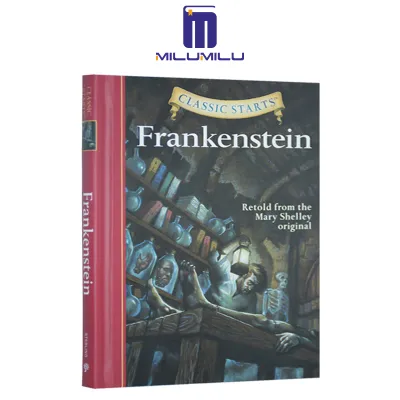
Mary Shelley’s Frankenstein, published in 1818, is a masterpiece of philosophical horror and tragic isolation. The story follows Victor Frankenstein, a young scientist whose obsessive ambition leads him to create life from dead matter, only to abandon his creation in horror. The novel is structured as an epistolary narrative, utilizing letters and personal journals to present multiple layers of storytelling. This format allows readers to hear directly from Victor and the creature, fostering a deep sense of empathy and forcing us to question who the true monster is in this tragic tale of rejection and revenge.
Bram Stoker’s Dracula, published in 1897, represents the peak of late-Victorian gothic suspense. Stoker masterfully builds a sense of creeping, inescapable dread by constructing the entire novel from a collection of diary entries, letters, telegrams, and newspaper clippings. This fragmented perspective keeps the reader in suspense, as the characters slowly piece together the terrifying nature of the vampire Count Dracula. The novel explores themes of invasion, the clash between ancient superstition and modern technology, and the vulnerability of Victorian society, making it a thrilling and intellectually engaging read.
Psychological and Romantic Gothic
If you prefer atmospheric tension, emotional intensity, and complex character studies over physical monsters, the works of the Brontë sisters are the perfect starting point. Charlotte Brontë’s Jane Eyre and Emily Brontë’s Wuthering Heights, both published in 1847, represent a major shift in the gothic genre. These novels move away from external supernatural threats to focus on the internal psychological struggles, moral ambiguities, and passionate relationships of their protagonists, all set against brooding, oppressive landscapes.
Jane Eyre is a brilliant blend of social critique, romance, and gothic mystery. The novel follows the life of an orphaned governess who takes a position at Thornfield Hall, a grand but gloomy estate harboring a dark secret. The gothic elements—such as mysterious laughter echoing through the corridors, a sudden fire, and a hidden figure in the attic—serve as powerful metaphors for the societal constraints and emotional isolation experienced by the characters. Charlotte Brontë’s focus on Jane’s moral integrity and psychological resilience makes this a deeply empowering and accessible classic.
Emily Brontë’s Wuthering Heights takes emotional intensity to a wild, almost feral extreme. Set against the desolate and wind-swept Yorkshire moors, the novel chronicles the destructive, obsessive love between Heathcliff and Catherine Earnshaw. The harsh, untamed landscape reflects the turbulent emotions of the characters, who reject traditional societal morals in pursuit of their passions. The novel’s ghosts are famously ambiguous, leaving readers to wonder whether the hauntings are genuinely supernatural or simply the psychological manifestations of guilt, grief, and obsession, making it one of the most haunting character studies in English literature.
The Origins and Architectural Gothic
To fully appreciate how the tropes of secret passages, ancient curses, and gloomy castles became synonymous with the gothic genre, readers should explore its historical roots. Horace Walpole’s The Castle of Otranto, published in 1764, is widely recognized as the very first gothic novel. Walpole deliberately sought to combine elements of ancient romance, which focused on the supernatural and fantastic, with the modern novel, which emphasized realism and character development.
In The Castle of Otranto, the setting of the sprawling, medieval castle is just as important as any human character. The gloomy corridors, damp vaults, and trapdoors create an overwhelming atmosphere of claustrophobia and impending doom. The plot is highly melodramatic, revolving around a tyrannical lord trying to secure his family line while being plagued by bizarre supernatural portents, including a giant, ghost-like helmet that crushes his heir.
While the prose style of the mid-18th century is highly formal and may require a bit more patience from modern readers, The Castle of Otranto is a fascinating and essential read for anyone interested in literary history. It establishes the foundational vocabulary of the gothic genre, showing how early writers used historical, foreign settings and medieval architecture to explore contemporary anxieties about power, inheritance, and the irrational forces that lie beneath the surface of civilized society.
What to Check Before Buying Classic Gothic Editions
Because classic gothic novels are in the public domain, there is an overwhelming number of editions available on the market, ranging from high-quality scholarly publications to poorly formatted prints. To ensure you get the best possible reading experience, it is important to check several key factors before making a purchase. First, look for reputable publishers that specialize in classic literature, such as Oxford World’s Classics, Penguin Classics, or Norton Critical Editions. These publishers consistently provide high-quality paper, durable bindings, and professional formatting.
One of the most important things to verify is whether the edition is unabridged. Some mass-market paperbacks or budget e-books quietly abridge the text to save printing costs, which can ruin the atmospheric build-up and rich descriptive prose that define the gothic experience. Additionally, check if the edition includes explanatory footnotes and a comprehensive introduction. Gothic novels are filled with historical, biblical, and mythological references, as well as archaic vocabulary that may be unfamiliar to modern readers; having access to clear, concise footnotes can greatly enhance your understanding and enjoyment of the story.
If you prefer reading digitally or listening to audiobooks, pay close attention to formatting and narration quality. For e-books, download a sample first to ensure that the formatting of epistolary novels, which rely heavily on letters, diaries, and newspaper layouts, is preserved correctly on your device. For audiobooks, verify that the narrator’s tone, accent, and pacing match the atmospheric mood of the story. A poor narration can make the complex, formal prose of the gothic era difficult to follow, while a skilled narrator can elevate the suspense and emotional drama to new heights. Finally, if you are purchasing vintage or secondhand physical copies, inspect the spine and pages for signs of deterioration, ensuring the book can withstand multiple readings without falling apart.
Frequently Asked Questions (FAQ)
Are classic gothic novels too difficult for modern readers?
While the sentence structures and vocabulary of 18th- and 19th-century literature can initially feel challenging, the core themes of gothic fiction remain highly accessible. The genre relies on universal human emotions: fear, passion, curiosity, and dread. If you find the prose of early works like The Castle of Otranto too dense, starting with late Victorian works like Dracula or psychological novels like Jane Eyre is highly recommended, as their pacing and language align more closely with modern storytelling expectations.
Should I read the original texts or modern adaptations first?
Reading the original texts first is highly recommended for anyone looking to truly understand and appreciate the gothic genre. The unique atmosphere, suspense, and thematic depth of these classics are deeply tied to the authors’ original language and historical context. However, if you find the archaic prose to be a significant barrier, modern adaptations, graphic novels, or high-quality dramatized audiobooks can serve as an excellent bridge, helping you familiarize yourself with the plot and characters before tackling the original work.

Community discussion
Share your experience or ask a question. Comments are reviewed before publication.