
The transition from Frank Herbert’s landmark 1965 science fiction novel Dune to Denis Villeneuve’s cinematic adaptation represents a profound shift in storytelling philosophy. While the films prioritize visual spectacle, visceral action, and streamlined pacing, the original novel is a dense, slow-burning masterpiece of political intrigue, ecological philosophy, and deep psychological exploration. Deciding whether to explore the books after experiencing the films depends on what you want from the story. You can choose the films for immediate, state-of-the-art cinematic immersion, or turn to the books to uncover the vast lore, complex character motivations, and intricate world-building that a visual medium cannot fully capture. Combining both offers the most complete appreciation of this monumental science fiction universe.
In the original novel, the narrative unfolds through a deliberate, detail-heavy exploration of the Imperium’s feudal politics. Herbert spends hundreds of pages setting up the delicate balance of power between the Emperor, the Landsraad, the Spacing Guild, and the Bene Gesserit sisterhood before the central conflict erupts. The films, by contrast, accelerate this progression, translating complex political treaties and historical grievances into immediate, visually striking conflicts. This structural choice keeps the cinematic momentum high but naturally condenses the intricate web of conspiracies that defines the first half of the book.
To manage this massive narrative density, the adaptation splits the first novel into two distinct films. This structural division allows the first movie to focus on the fall of House Atreides and the second to chronicle Paul’s rise among the Fremen. While this split gives the story room to breathe on screen, it alters the rhythm of the narrative. The book flows as a continuous, escalating journey where Paul’s transformation feels gradual and deeply internal, whereas the films must create distinct dramatic arcs with satisfying climaxes for each theatrical release.
Products mentioned in this guide

1 Lazada user ratings
Packed with a lot of bubble wrap but it wasn’t put inside a box which dented the book. The print of the book is great. Item is legit. Thanks
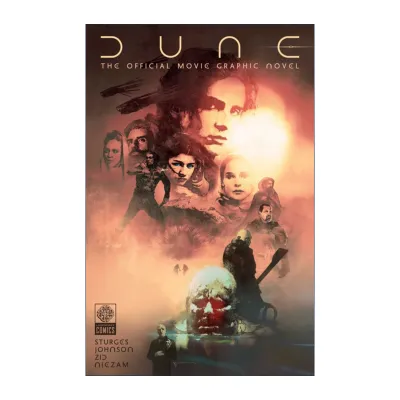
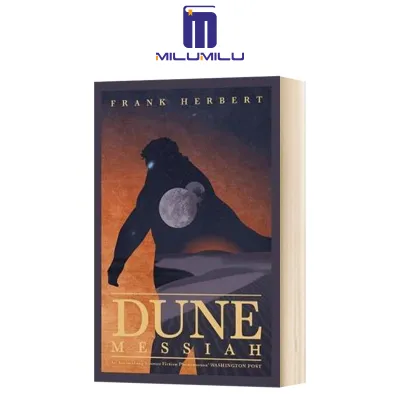
Prices are valid at publication and may change. Please refer to the product page for the latest price.
Character Depth: Internal Monologues vs. Visual Acting
One of the most significant differences when comparing the Dune movies vs books is how each medium conveys the inner lives of its characters. Frank Herbert’s novel relies heavily on third-person omniscient narration, frequently shifting perspectives to reveal the internal monologues, hidden agendas, and private anxieties of the characters. Readers are constantly privy to the silent calculations of Lady Jessica, the prescient burdens weighing on Paul, and the paranoid schemes of Baron Harkonnen. This literary technique creates a layer of psychological suspense, as you always know exactly what a character is thinking, even when their outward actions suggest the opposite.
In contrast, the films must translate these silent, internal struggles into visual acting, subtle dialogue adjustments, and expressive cinematic framing. Without a narrator to explain a character’s thoughts, the actors must convey complex emotions through facial expressions, body language, and tone of voice. For instance, Paul’s terrifying visions of a galactic holy war are depicted in the films through vivid, dreamlike montages rather than the detailed, analytical internal monologues found in the text. This shifts the viewer’s experience from intellectual understanding to emotional and sensory empathy.
This medium shift profoundly affects several key characters, altering how readers and viewers perceive their motivations. In the novel, Lady Jessica is a highly calculated, poised Bene Gesserit whose every breath is controlled, yet her internal thoughts reveal a mother torn between her loyalty to her sisterhood and her love for her family. On screen, her vulnerability is made much more external and visible, portraying her emotional distress more overtly to help the audience connect with her plight. Similarly, the Baron’s cold, calculating genius in the book is translated into a more physically imposing, monstrous presence on screen, relying on visual intimidation rather than long expository monologues about his financial and political schemes. Reading the books allows you to reclaim these intricate psychological layers, offering a completely different perspective on characters you may already know from the screen.
Plot Adjustments: What Was Cut, Changed, or Added
Adapting a novel as dense as Dune requires a careful balancing act between preservation and alteration. To fit a massive literary work into a cinematic runtime, filmmakers must make deliberate choices about which storylines to keep, which to modify, and which to remove entirely. Understanding these plot adjustments helps manage your expectations when transitioning between the page and the screen, highlighting how different narrative structures serve their respective mediums.

Omitted Subplots and Characters
To streamline the cinematic narrative, several prominent subplots and secondary characters were significantly reduced or omitted from the films. In the novel, the political tension within Arrakeen is heightened by a “traitor hunt” subplot, where House Atreides suspects a mole in their midst, leading to intense mutual suspicion between Thufir Hawat and Lady Jessica. This entire sequence, which showcases the brilliant analytical minds of the Mentats—human computers trained in supreme logic—is largely absent from the films. Thufir Hawat’s role is minimized, and other key figures, such as the Emperor’s deadly assassin Count Fenring and his Bene Gesserit wife Margot, are either cut or condensed to keep the focus squarely on Paul’s central journey.
Added Scenes and Visual Expansions
Conversely, the films introduce several scenes and visual expansions to replace the dense internal exposition of the book with dynamic action. For example, the physical brutality of the Harkonnen regime and the terrifying scale of the Sardaukar troops are given dedicated visual sequences that do not exist in the same format in the novel. The cinematic adaptation also expands on the physical training and combat styles of the different factions, turning brief textual descriptions of shield fighting and Fremen guerrilla tactics into extended, visually stunning action sequences. These additions help ground the audience in the physical reality of Arrakis, using movement and environment to tell the story rather than relying on characters explaining the lore out loud.
Altered Timelines and Event Sequences
The chronological order of events also underwent adjustments to maintain cinematic flow and tension. In the novel, there is a significant two-year time jump during Paul’s integration into Fremen society, during which he trains them in the “weirding way” of combat and cements his status as their messiah. The films compress this timeline dramatically, making Paul’s rise to power feel much more immediate and urgent. This compression heightens the dramatic stakes of the impending conflict with the Emperor, but it also alters the development of key relationships, such as Paul’s bond with Chani and the birth of his sister, Alia, whose role in the climax of the first book is handled in a radically different manner on screen.
World-Building: Cinematic Spectacle vs. Literary Lore
The universe of Dune is famously vast, encompassing thousands of years of history, complex ecological systems, and unique technological rules. How this world is constructed differs fundamentally between the two mediums. The novel builds its universe through extensive appendices, a dedicated glossary of terms, and detailed historical context woven directly into the narrative. Herbert expects readers to actively engage with dense science fiction concepts, from the mechanics of the stillsuits to the complex religious engineering of the Missionaria Protectiva. This approach requires an active imagination, allowing you to build a highly personalized, deeply detailed version of the Imperium in your mind.
The films, on the other hand, deliver immediate, curated visual immersion through world-class environmental design, costume design, and production aesthetics. Instead of reading paragraphs explaining how a stillsuit recycles moisture, you see the condensation tubes, hear the rhythmic breathing of the characters, and feel the oppressive heat of the desert through the screen’s color palette and sound design. The scale of the spacecraft, the brutalist architecture of Arrakeen, and the terrifying majesty of the sandworms are presented as tangible, awe-inspiring realities. This visual storytelling allows you to experience the sheer scale of Arrakis instantly, without needing to pause for technical explanations.
For readers who decide to tackle the novel, navigating this dense lore can be highly rewarding if approached with the right strategy. It is often helpful to refer to the book’s glossary and appendices as you read, rather than trying to memorize every term on its first appearance. Herbert designed the book to be an immersive experience where understanding comes gradually through context. Embracing this slow-burn style of world-building reveals a level of ecological and sociological detail that the films can only hint at, making the reading experience incredibly satisfying for those who want to understand the “why” behind the universe’s unique rules.
Final Verdict: Should You Read the Books After Watching?
Deciding whether to read the original novel after watching the films depends on what aspects of the story resonated with you the most. The two mediums do not compete; rather, they complement each other, offering different entry points into the same legendary universe.
You should choose to read the books if:
- You want to explore the deep political maneuvering, feudal alliances, and the intricate plans of the Bene Gesserit.
- You are fascinated by the psychological layers of the characters and want to experience their internal monologues and silent calculations.
- You enjoy dense, philosophical science fiction that explores ecology, religion, and the dangers of messianic figures in exhaustive detail.
You may prefer to stick to the movies if:
- You prefer streamlined, fast-paced storytelling with a focus on visual action and immediate dramatic tension.
- You find highly detailed world-building, extensive glossaries, and slow-burn political exposition overwhelming or tedious.
- Your primary interest is in the visual and auditory spectacle of the universe rather than its historical and technical lore.
Ultimately, reading both offers the most rewarding experience. Watching the films first provides a stunning visual framework that makes the novel’s complex descriptions easier to picture, while reading the book afterward fills in the rich narrative gaps, giving every cinematic scene a deeper, more profound meaning.
Frequently Asked Questions (FAQ)
Do I need to read the first Dune book before watching the movies?
No, you do not need to read the book before watching the films. The cinematic adaptation is designed to be accessible to newcomers, using visual cues and simplified dialogue to explain the essential rules of the universe. Watching the movies first can actually make reading the book easier, as it provides a clear visual reference for the complex technology, alien landscapes, and diverse characters. However, if you prefer to experience the narrative with its full psychological depth and unspoiled plot twists, reading the book first remains the traditional and highly rewarding path.
Are the Dune movies faithful to Frank Herbert's original vision?
The films are highly faithful to the core themes and atmosphere of Frank Herbert’s original vision, though they make necessary compromises for the cinematic medium. Director Denis Villeneuve captures the book’s cautionary message about messianic figures, the ecological importance of Arrakis, and the cold brutality of imperial politics. While specific subplots, characters, and timelines are altered or omitted to maintain pacing, the spirit of the novel remains intact. The adaptation respects the source material while successfully translating a notoriously difficult literary work into a cohesive, visually stunning cinematic experience.

Community discussion
Share your experience or ask a question. Comments are reviewed before publication.