
Finishing a massive, multi-arc epic like Wings of Fire often leaves readers with a distinct literary void, wondering how to replace the thrilling dragon-perspective battles, deep tribal lore, and heartwarming friendships of Pyrrhia and Pantala. To satisfy this craving, you should look for dragon fantasy books that either continue the tradition of dragon-led “xenofiction” or transition into rich human-dragon bonding sagas with comparable pacing and emotional depth. By identifying whether you prefer stories told entirely from a dragon’s point of view or epic adventures where humans and dragons work as partners, you can easily find your next long-term reading obsession.
What dragon fantasy books match the middle-grade action and worldbuilding of Wings of Fire?
Finding a series that matches the middle-grade appeal of Wings of Fire requires looking for books that balance high-stakes adventure with accessible, highly structured worldbuilding. These stories typically fall into two main categories: dragon-POV narratives and human-dragon partnership tales, both designed to keep readers aged 8 to 12 thoroughly engaged. Understanding these categories helps you narrow down your choices based on how central the dragons themselves are to the daily plot.
Dragon-POV vs. Human-Dragon Bonding
Dragon-POV stories, often classified as xenofiction, feature animals or mythical creatures as the primary characters, complete with their own societies, cultures, and languages. In these books, humans are either entirely absent or viewed as strange, secondary creatures. This perspective is highly appealing if you loved the unique cultural dynamics between the MudWings, SandWings, and other tribes in Pyrrhia, as it allows for complete immersion in a non-human world.
Products mentioned in this guide
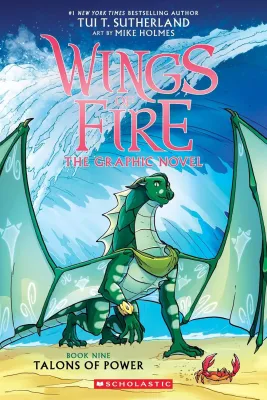
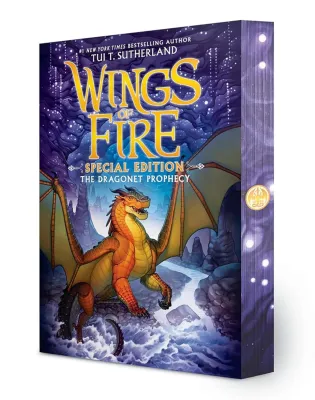
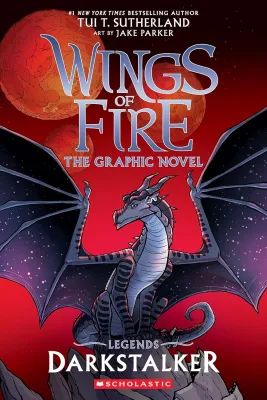
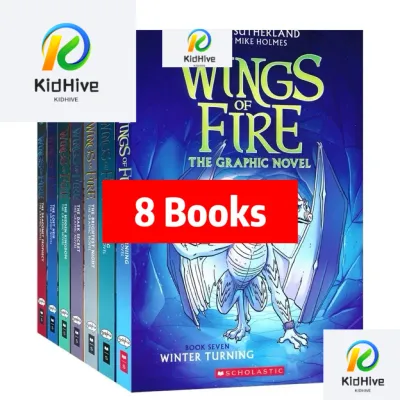
1 Lazada user ratings
Received in good condition. Book is interesting.
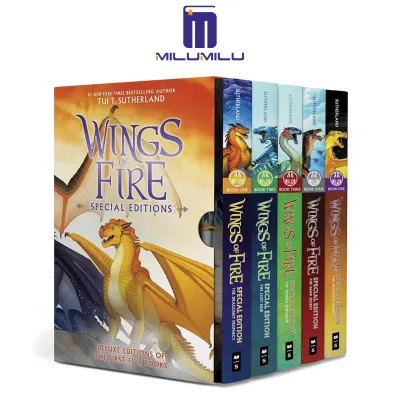
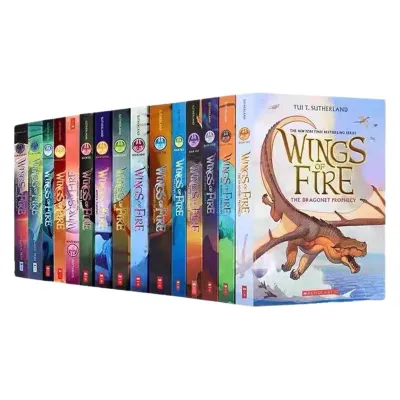
Prices are valid at publication and may change. Please refer to the product page for the latest price.
Conversely, human-dragon bonding stories focus on the relationships, communication, and mutual growth between human riders or companions and their dragon partners. These narratives introduce a different kind of emotional depth, focusing on empathy, shared minds, and teamwork. While the perspective shifts back to human protagonists, the dragons remain active, highly intelligent characters with distinct personalities and agency rather than mere pets or mounts.
Key Worldbuilding Elements to Seek
When browsing for a new series, look for books that feature distinct dragon tribes, clans, or elemental classifications. This structured approach to worldbuilding makes the fantasy environment easy to navigate and highly engaging. You can look for stories where different dragon species possess unique physical adaptations, specific elemental breath weapons, or distinct geographical territories, which mirrors the satisfying classification system of the Wings of Fire universe.
Additionally, pay attention to the magic systems and the presence of hidden realms. A good middle-grade fantasy often incorporates a magic system with clear rules and consequences, preventing characters from becoming too powerful without effort. Settings that involve hidden islands, underground cavern networks, or kingdoms hidden above the clouds add a sense of mystery and exploration, encouraging you to map out the world in your mind as you read.
Pacing, Tone, and Series Length
Middle-grade dragon fantasy keeps a rapid pace, featuring frequent action scenes, narrow escapes, and puzzles that characters must solve together. However, the tone remains age-appropriate, focusing on themes of loyalty, overcoming prejudice, and the power of chosen families. While characters face real dangers and political conflicts, the narrative avoids graphic violence, making it a safe and comforting space for younger readers.
Series length is another practical factor to consider. A trilogy offers a quick, satisfying story arc without a massive time commitment, making it ideal if you want a fast resolution. On the other hand, longer series consisting of five to ten books allow for much deeper character development, expansive lore, and multiple overarching plotlines that keep you invested over several months of reading.
Which dragon fantasy series offer deeper lore and older protagonists for maturing readers?
Maturing readers who have outgrown middle-grade fiction can find more complex political intrigue, darker stakes, and older protagonists in young adult (YA) and crossover dragon fantasy series. These books transition away from simplified good-versus-evil dynamics to explore moral ambiguity, complex societal structures, and the intricate realities of human-dragon coexistence. As the themes mature, the worldbuilding becomes more detailed, demanding more analytical reading.

The Transition to Young Adult Dragon Fantasy
As readers grow, their preferences often shift toward older protagonists, typically aged 16 to 19, who face adult responsibilities, systemic oppression, or rigorous military training. The narrative style in YA dragon fantasy shifts from episodic adventures to multi-layered political dramas. In these worlds, dragons are often integrated into human societies as weapons of war, symbols of nobility, or partners in complex guild systems, forcing the characters to navigate difficult social hierarchies.
This transition also introduces more sophisticated character relationships. Friendships are tested by conflicting loyalties, political alliances, and romantic subplots that carry higher emotional stakes. The dialogue becomes sharper, and characters must make difficult ethical decisions where there is no clearly correct answer, reflecting the real-world complexities that older readers begin to encounter.
Deeper Lore and Complex Magic Systems
YA dragon fantasy often features “hard” magic systems, where every spell, bond, or magical ability has a physical, mental, or environmental cost. Instead of magic acting as a convenient plot device, characters must train rigorously to master their abilities, and using magic improperly can result in severe consequences or permanent loss. This adds a layer of tension and realism to the fantasy setting.
Furthermore, the lore in these series expands to include detailed histories of colonization, ancient wars, and cultural integration between humans and dragons. You will often find stories that explore the historical origins of dragon-human bonds, the ecological impact of dragons on the environment, and the economic systems built around dragon resources, requiring you to track multiple factions and historical events across the narrative.
Evaluating Content and Thematic Maturity
Before diving into a YA dragon fantasy series, it is essential to check age recommendations and content warnings. These books frequently feature intense battle scenes, deeper emotional trauma, and complex political conspiracies. While they offer a thrilling step up in complexity, some series may contain thematic elements that are better suited for older teenagers rather than pre-teens.
To evaluate whether a series matches your maturity level, you can consult online book databases, library classification tags, or detailed editorial reviews. Look for specific indicators regarding the level of violence, the complexity of the political themes, and the presence of mature relationships. This ensures that your transition to older fantasy remains enjoyable and matches your personal reading comfort zone.
How do you choose the right dragon fantasy series based on your favorite Wings of Fire elements?
Choosing your next read is easiest when you isolate the exact elements of Wings of Fire that resonated with you most, whether that was the dragon-only perspective, the school setting of Jade Mountain Academy, or the classic prophecy trope. Mapping these specific preferences to corresponding fantasy subgenres ensures a highly satisfying transition to a new series. By identifying your favorite tropes, you can target books designed to deliver those exact narrative experiences.
Mapping Tropes to Subgenres
If your favorite part of Pyrrhia was exploring the world entirely through dragon eyes, you should search for “xenofiction” or “animal fantasy” subgenres. These books focus on non-human societies, offering unique perspectives on nature, survival, and community. This subgenre is perfect for readers who want to escape human-centric narratives entirely and explore unique physical and sensory experiences.
If you loved the school setting of Jade Mountain Academy, where dragons from different tribes had to learn to live and work together, look for “magic school” or “academy fantasy” books. These stories focus heavily on peer relationships, academic rivalries, training sequences, and uncovering dark secrets hidden within the school walls. If you were captivated by the Dragonet Prophecy, seek out “epic high fantasy” featuring chosen-one tropes, ancient prophecies, and grand quests across vast, detailed maps.
Verifying Formats, Editions, and Series Status
Before committing to a long saga, verify the availability of your preferred format, whether you read physical paperbacks, hardcovers, ebooks, or listen to audiobooks. Some older or niche series may only be available in print, while newer series often launch simultaneously across all digital and audio platforms. Checking format compatibility beforehand ensures you can enjoy the story in the way that fits your lifestyle best.
Additionally, check if the series is completed or ongoing. Reading an ongoing series means waiting months or even years for the next installment, which requires patience but allows you to participate in online fan communities as theories develop. A completed series, however, allows for uninterrupted binge-reading, ensuring you can follow the entire story arc from start to finish without losing momentum.
Budgeting and Library Access in Singapore
Purchasing multi-volume fantasy series can quickly become expensive, especially when a saga spans ten or fifteen books. In Singapore, physical paperbacks typically cost between S$12 and S$22, while hardcovers can range from S$25 to S$40, and complete box sets can easily exceed S$50 to S$100. Budgeting for these purchases requires planning, especially if you prefer keeping physical copies on your bookshelf.
To manage these costs effectively, utilize the National Library Board (NLB) of Singapore. You can use the NLB Mobile app to search for physical copies across various regional libraries, or borrow digital versions instantly via Libby. This allows you to test the first book of a series for free before investing in a physical collection, ensuring you only spend your budget on books you truly love.
Are there standalone dragon fantasy books if you want a break from long series?
Standalone dragon fantasy novels and graphic novels offer an excellent way to enjoy dragon-centric stories without committing to a multi-book saga. These self-contained books provide complete narrative resolution within a single volume, making them perfect palette cleansers between massive series. They allow you to explore different worlds, art styles, and author voices without the pressure of tracking complex lore over thousands of pages.
Standalone Novels and Graphic Novels
Standalone novels must establish their world, characters, and conflict quickly, leading to tighter pacing and highly focused plotlines. Because the author has only one book to tell the story, the narrative is often dense, purposeful, and free of filler chapters. This makes standalones highly satisfying for readers who enjoy fast-moving plots and immediate resolutions to central conflicts.
Graphic novels and illustrated editions are particularly popular for middle-grade readers, offering stunning visual representations of dragons, expressive character designs, and dynamic action sequences. These visual formats bring the fantasy world to life in a different medium, making them highly accessible for visual learners or readers who want a break from dense text blocks. The combination of art and dialogue can make the emotional beats of a dragon story feel incredibly immediate and impactful.
Finding Standalone Titles
When searching for standalone books, look for specific catalog filters such as “standalone” or “single volume” on library databases or online marketplaces. Many publishers highlight standalone novels as great entry points for new readers, making them easy to identify. You can also look for anthologies of short stories, which offer multiple bite-sized dragon tales within a single book.
Visiting local physical bookstores or browsing curated lists on library apps can help you identify standalone gems that might otherwise be overshadowed by prominent multi-book series on the shelves. By incorporating standalone novels and graphic novels into your reading rotation, you can keep your love for dragon fantasy alive while enjoying a diverse range of storytelling styles and visual formats.
Community discussion
Share your experience or ask a question. Comments are reviewed before publication.