
Reading the Diary of a Wimpy Kid series in chronological publication order is the most rewarding way to experience Greg Heffley’s middle school journey. Because the books follow a continuous timeline, reading them sequentially ensures you follow Greg’s personal growth, understand recurring jokes, and track his evolving relationships with family and friends. While the franchise has expanded to include spin-offs, activity journals, and movie guides, the core narrative is designed to be read from the very first book to the latest release.
Starting from the beginning allows readers to appreciate how author Jeff Kinney develops the characters and the humor over time. Reading the books out of order can lead to confusion, as characters change grades, move houses, and experience shifts in their social circles. By sticking to the publication sequence, you get to experience Greg’s chaotic middle school years exactly as the author intended.
The Main Diary of a Wimpy Kid Series in Chronological Order
The core of the franchise consists of the main numbered novels. Each book covers a specific period in Greg Heffley’s life, usually spanning a few months, a school semester, or a summer vacation. To maintain the narrative flow, readers should follow this chronological checklist of the main series:
Products mentioned in this guide


Prices are valid at publication and may change. Please refer to the product page for the latest price.
- Diary of a Wimpy Kid (Book 1): Introduces Greg Heffley, his best friend Rowley Jefferson, his family, and the infamous schoolyard legend of the Cheese Touch.
- Rodrick Rules (Book 2): Focuses on Greg's relationship with his older brother Rodrick, who threatens to reveal an embarrassing secret from Greg's summer vacation.
- The Last Straw (Book 3): Follows Greg's father, Frank Heffley, as he attempts to toughen Greg up by signing him up for sports and threatening military school.
- Dog Days (Book 4): Explores Greg's summer vacation struggles as he tries to stay indoors playing video games while his mother pushes for outdoor activities.
- The Ugly Truth (Book 5): Depicts Greg facing the realities of growing up, including changing friendships, dental work, and the awkwardness of puberty.
- Cabin Fever (Book 6): Traps the Heffley family indoors during a massive blizzard, leading to rising tensions and hilarious survival tactics.
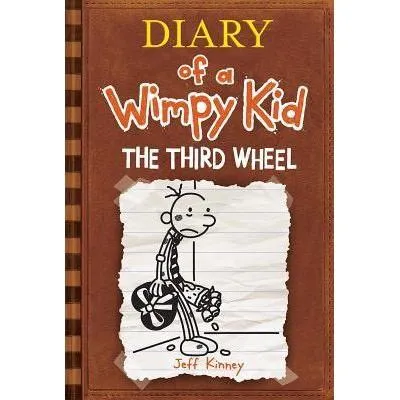
- The Third Wheel (Book 7): Follows Greg's chaotic search for a date to the school Valentine's Day dance, which ends in an awkward night out with Rowley.
- Hard Luck (Book 8): Explores Greg's loneliness after Rowley gets a girlfriend, prompting Greg to find new friends and make decisions using a Magic 8-Ball.
- The Long Haul (Book 9): Details a chaotic family road trip filled with flat tires, runaway pigs, and terrible motel stays.
- Old School (Book 10): Follows Greg as his town goes electronics-free for a weekend, forcing him to adapt to old-fashioned living and a rustic camping trip.
- Double Down (Book 11): Focuses on Greg's creative ambitions as he decides to make an independent movie to prove his talents and earn money.
- The Getaway (Book 12): Depicts the Heffleys escaping to a tropical resort for Christmas, only for the vacation to turn into a series of disasters.
- The Meltdown (Book 13): Follows Greg's neighborhood as a winter snow day turns the local streets into a massive, competitive snowball battleground.
- Wrecking Ball (Book 14): Explores the chaos of home renovation and moving plans after the Heffley family receives an unexpected inheritance.
- The Deep End (Book 15): Follows the family on a cross-country camping trip in a recreational vehicle, where they face wild weather and crowded parks.
- Big Shot (Book 16): Depicts Greg signing up for basketball and joining a struggling team, learning about sportsmanship and perseverance along the way.
- Diper Överlöde (Book 17): Follows Greg as he joins his brother Rodrick's rock band, Löded Diper, on a chaotic road tour to experience the music lifestyle.
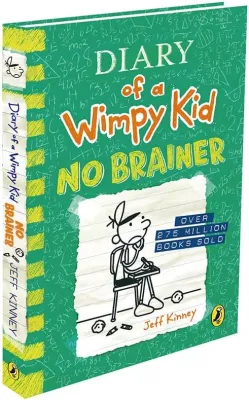
- No Brainer (Book 18): Focuses on Greg's efforts to save his middle school from being closed down due to low test scores and budget cuts.
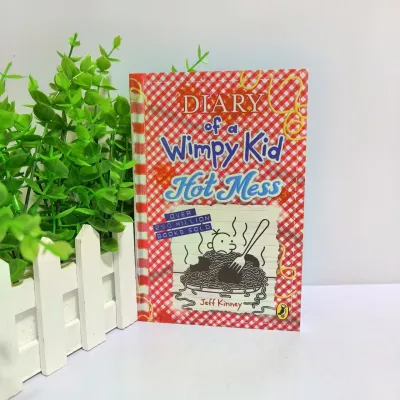
- Hot Mess (Book 19): Explores a chaotic summer vacation where Greg's immediate family must navigate the quirks and demands of their extended relatives.
Because a new installment is typically released annually, readers can easily continue their collection by checking for the latest numbered volume after completing this list. Keeping a physical or digital checklist is an excellent way for young readers to track their progress and stay motivated.
Where the Spin-Offs and Companion Books Fit
As the franchise grew, several spin-offs and companion books were published. The most notable spin-offs are written from the perspective of Rowley Jefferson. These include Diary of an Awesome Friendly Kid: Rowley Jefferson’s Journal, Rowley Jefferson’s Awesome Friendly Adventure, and Rowley Jefferson’s Awesome Friendly Spooky Stories. These books offer a refreshing perspective shift, showcasing Rowley’s optimistic, naive outlook on life and his often-hilarious view of Greg’s behavior.
In addition to narrative spin-offs, there are non-narrative companion books. The Wimpy Kid Do-It-Yourself Book features interactive prompts, activities, and blank pages for readers to write their own journals. The Wimpy Kid Movie Diary books provide behind-the-scenes looks at the making of the live-action and animated film adaptations, detailing how the drawings were brought to life.
To avoid disrupting the main storyline, these supplementary titles are best introduced during reading breaks. A great point to introduce Rowley’s books is after completing Book 13 or Book 14, when readers are thoroughly familiar with the core dynamic between Greg and Rowley. Interactive journals and movie diaries can be enjoyed at any time, making them excellent companions for school holidays or long travel journeys.
How to Buy and Collect the Wimpy Kid Books
When building a collection, readers can choose between paperback and hardcover editions. Hardcover books offer superior durability, making them ideal for younger readers who may reread them multiple times or share them with siblings. They also look uniform and appealing on a bedroom bookshelf. Paperback editions, on the other hand, are lightweight, easy to pack in a school bag, and generally more budget-friendly.
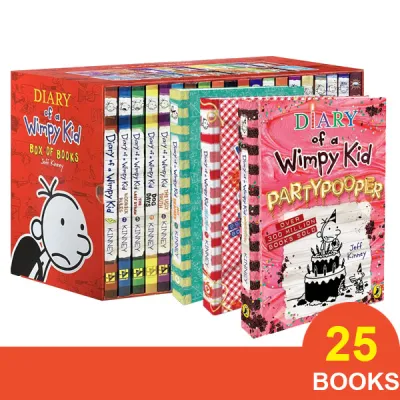
For those starting from scratch, purchasing chronological box sets is highly advantageous. Box sets often bundle the first several books together in a convenient slipcase, making them excellent gifts for birthdays or holidays. Buying in sets is typically more cost-effective than purchasing individual volumes and ensures the reader has the next book ready as soon as they finish the current one.
When shopping, it is important to verify the edition details. Some special editions feature unique cover art, colored page edges, or bundled extras like posters and stickers. Always purchase from reputable local bookstores or authorized online marketplaces to ensure you receive high-quality prints with complete pages and durable bindings.
Tips for Parents and Reluctant Readers
The hybrid format of the series makes it an exceptional tool for building reading habits in hesitant readers. By blending handwritten-style text with simple line-art illustrations, the books lower the barrier to entry for children who find dense blocks of text intimidating. The visual cues support reading comprehension, helping children follow the plot and pacing without feeling overwhelmed.
To maintain long-term interest, parents can help children pace their reading journey. Instead of letting a child rush through the entire series in a few weeks, encourage them to read a set number of pages or one journal entry per night. This steady pacing helps children absorb the humor, appreciate the illustrations, and look forward to their daily reading time.
Parents can also use the books to spark meaningful discussions about social dynamics and behavior. Greg Heffley is famously flawed—he can be selfish, lazy, and prone to making poor choices. Discussing these traits with younger readers helps them develop critical thinking. You can ask questions like, “Why do you think Greg’s plan backfired?” or “How could Greg have been a better friend to Rowley in this situation?” This turns a fun reading session into an opportunity for learning and empathy.
Frequently Asked Questions (FAQ)
Are there any main series books I can skip?
Skipping books in the main series is not recommended. While each book features a self-contained central conflict, the overarching narrative relies on continuous character development and evolving relationships. Skipping installments can cause readers to miss the introduction of new characters, changes in Greg’s school status, and recurring jokes that build upon events in previous books.
Do I need to read the Rowley Jefferson books to understand the main series?
No, you do not need to read the Rowley Jefferson spin-off books to understand the main series. The core novels are entirely self-contained and focus on Greg’s perspective. The Rowley Jefferson books are optional, complementary reads that offer a fun twist on the established universe but do not impact the primary plotline of the numbered books.
How do I know if a Wimpy Kid book is part of the main series?
Main series books are easily identifiable by their consistent cover design. Each core book features a solid-colored background, a single central illustration of Greg Heffley, and a hand-drawn title. Additionally, the spine of a main series book displays a clear volume number, helping readers quickly distinguish the core chronological novels from spin-offs, activity journals, and movie guides.
Community discussion
Share your experience or ask a question. Comments are reviewed before publication.