
The best interactive board books for babies’ sensory development are those that combine high-contrast illustrations, diverse tactile textures, sturdy lift-the-flaps, and shatterproof mirrors to engage an infant’s developing senses. During the first year of life, a baby’s brain undergoes rapid growth, and sensory-rich experiences act as the primary catalyst for building critical neural connections. By choosing books designed specifically for hands-on exploration, you transform simple reading sessions into active learning opportunities that support cognitive, visual, and fine motor skills.
Sensory play is not just a fun activity; it is the foundation of how infants understand the world around them. When a baby touches a textured patch, gazes at a high-contrast pattern, or lifts a soft felt flap, they are gathering data, testing hypotheses, and mapping their physical environment. Interactive board books serve as safe, structured tools that facilitate this essential exploration right from birth.
Selecting the right books requires looking beyond bright colors and cute characters. You need to evaluate how each interactive element aligns with your baby’s current developmental milestones, ensuring the materials are both engaging and safe for physical exploration. This guide will help you navigate the key features, safety standards, and reading strategies to maximize the developmental benefits of your baby’s first library.
Products mentioned in this guide
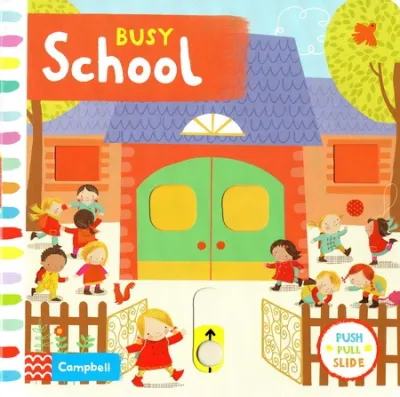
16 Lazada user ratings
Seller packed and bubble wrapped the books well, all received in good condition. Thank you very much for the update messages regarding the p…Read full reviewShow less
Seller packed and bubble wrapped the books well, all received in good condition. Thank you very much for the update messages regarding the package too.
received in good condition! bubble wrapped for protection. Thank you so much seller!!
So cuteeee! Can’t wait to show my nephew! Quick delivery too.
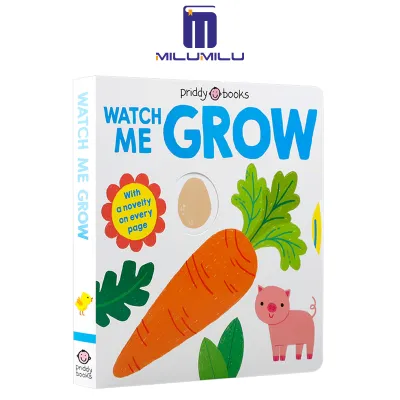
1 Lazada user ratings
Great book for my baby! Good quality, came very well packed.
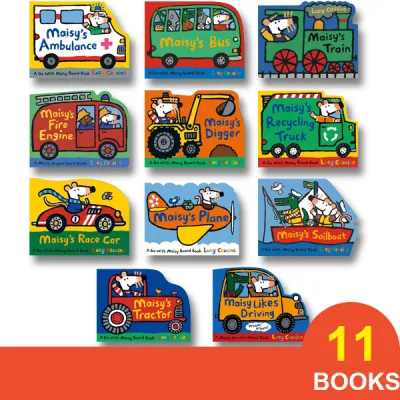
26 Lazada user ratings
Well packaged in original book set box. Price is value for money and seller was also prompt in replying enquiries. Highly recommend.
Came very nicely packed in bubble wrapped. Front cover picture and materials are so good and vibrant. Good for the kids.
good quality books, thick and colours are vibrant, suitable for toddlers to flip and read.
All new books. Well packed. Thanks seller
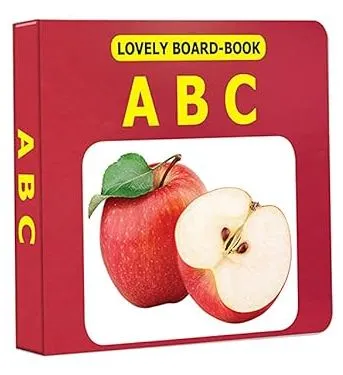
43 Lazada user ratings
Educational and entertaining, Encourages language and cognitive skills, Sturdy board book for little hands, Perfect for early childhood deve…Read full reviewShow less
Educational and entertaining, Encourages language and cognitive skills, Sturdy board book for little hands, Perfect for early childhood development,
Encourages language and cognitive skills, Teaches letters, numbers, and more, Educational and entertaining,
Teaches letters, numbers, and more, Great variety of ABC books, Sturdy board book for little hands,
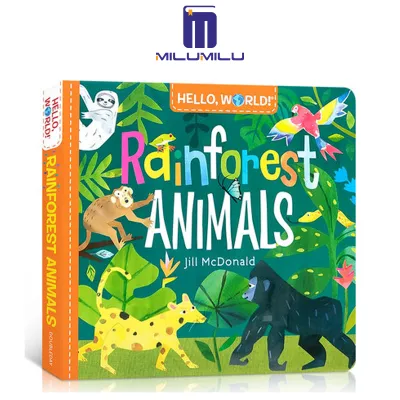

Prices are valid at publication and may change. Please refer to the product page for the latest price.
Why Interactive Board Books Matter for Early Sensory Play
During the first twelve months of life, an infant’s brain is incredibly plastic, meaning it constantly shapes and rewires itself in response to environmental stimuli. Every time your baby experiences a new sensation—such as the rough texture of a corrugated cardboard page or the smooth surface of a shiny foil insert—their brain fires electrical signals that strengthen neural pathways. These pathways form the structural foundation for future learning, language acquisition, and sensory processing capabilities.
Interactive board books are uniquely suited to this developmental window because they engage multiple senses simultaneously. While traditional picture books rely primarily on passive visual and auditory input, interactive books invite physical manipulation. This multisensory approach helps babies make connections between what they see, what they hear, and what they feel, accelerating their cognitive synthesis.
Furthermore, interactive elements are highly effective at capturing and maintaining an infant’s naturally short attention span. A baby who might lose interest in a flat page after a few seconds will often remain engaged for much longer when there is a flap to lift, a wheel to turn, or a textured patch to stroke. This sustained attention helps build early concentration skills and fosters a positive, active association with books and reading.
As your baby grows, these books also facilitate a crucial transition from passive listening to active participation. In the early months, your baby will simply watch and listen as you read and point to pictures. By six months, however, they will begin reaching out to touch the textures themselves, and by nine to twelve months, they will actively participate by lifting flaps or sliding panels, transforming reading from a one-way presentation into a collaborative, interactive game.
Key Features to Look for in Sensory Board Books
When evaluating interactive board books, the variety and realism of the tactile materials should be your first consideration. Look for books that offer a wide range of contrasting textures rather than repeating the same soft fabric on every page. A high-quality sensory book might pair a patch of rough sandpaper with a section of ribbed corduroy, a slick piece of plastic, and a fluffy tuft of faux fur, allowing your baby to experience distinct tactile differences.

The physical construction of the interactive elements is equally critical, particularly when it comes to flaps and moving parts. Babies do not yet possess refined motor control, meaning they will pull, twist, and bend pages with surprising force. Look for books featuring thick, heavy-duty cardboard flaps or, ideally, soft felt flaps that can withstand repeated pulling without tearing or creasing.
Visual design in early childhood books must align with the physiological development of infant vision. Newborns see primarily in high-contrast shades of black, white, and primary colors, as their retinas are not yet fully developed. Opt for books that feature bold, high-contrast patterns alongside their interactive elements, which helps stimulate visual tracking and focus.
Finally, look for books that incorporate embedded mirrors. These mirrors must be completely shatterproof, scratch-resistant, and securely integrated into the page so they cannot be pried loose. A high-quality baby mirror should offer a clear, undistorted reflection, allowing your baby to focus on their own face and movements during tummy time or lap reading.
Types of Interactive Books for Different Sensory Milestones
To get the most out of your baby’s library, it is helpful to match specific book styles to their current developmental stage. Infants progress rapidly through sensory and motor milestones during their first year, and a book that delights a nine-month-old might frustrate or fail to engage a two-month-old. By understanding this progression, you can introduce the right interactive elements at the precise moment your baby is ready to benefit from them.
Rather than buying a large collection of identical books, aim for a curated selection that targets different sensory systems—tactile, visual, and cognitive. This variety ensures that your baby remains challenged and engaged as their physical coordination and mental processing power expand. Let’s explore the primary categories of interactive books and how they support specific milestones.
Touch-and-Feel Books with Varied Textures
Touch-and-feel books are the cornerstone of early tactile exploration, designed to stimulate the somatosensory cortex, which processes the sense of touch. By presenting a diverse array of textures, these books help babies build a detailed mental map of different physical sensations. Look for books that contrast extreme textures, such as bumpy vs. smooth, soft vs. hard, and rough vs. silky, to make the sensory distinctions as clear as possible.
Because babies explore their world orally as well as manually, you must carefully inspect how these textures are attached to the pages. Ensure that fabrics, plastics, and foils are securely bonded to the heavy cardboard backing, with no loose edges that could be pried up or chewed off. Avoid books with glued-on glitter or loose fibers that could easily transfer to your baby’s hands and face.
You can maximize the educational value of touch-and-feel books by using them to introduce descriptive sensory vocabulary. As your baby strokes a patch of faux fur, say the word “soft” in a gentle, warm tone; when they touch a ribbed plastic surface, use a more rhythmic, staccato voice to say “bumpy.” This pairing of physical sensation with spoken language helps lay the groundwork for early language comprehension.
Peek-a-Boo Flap Books for Object Permanence
Lift-the-flap books are exceptional tools for supporting cognitive development, specifically the concept of object permanence. Around the age of four to seven months, babies begin to understand that objects continue to exist even when they are out of sight. Flap books turn this developmental realization into an engaging game of peek-a-boo, reinforcing memory and spatial awareness.
When choosing flap books, prioritize durability and ease of use. Look for flaps made from thick, rigid board that features a small die-cut notch, making it easy for tiny, uncoordinated fingers to get a grip and lift. Felt flaps are another outstanding option for younger infants, as they are soft, highly flexible, and virtually impossible to tear off, making them incredibly safe for independent exploration.
The cognitive benefit of these books lies in the anticipation and resolution of the hidden image. When you ask, “Who is hiding behind the bush?” and help your baby lift the flap to reveal a puppy, you are teaching them cause-and-effect relationships. This simple action-and-reaction loop builds problem-solving skills and encourages your baby to actively predict what might happen next.
Be cautious of books with thin paper flaps, which are common in books designed for older toddlers but highly unsuitable for infants. A baby can easily tear a paper flap off the page in a matter of seconds, creating a severe choking hazard if they put the torn paper into their mouth. Stick strictly to heavy board or fabric flaps until your child is well past the mouthing stage.
Mirror Books for Self-Recognition and Visual Tracking
Mirror books play a vital role in both visual development and early self-awareness. During the first few months of life, a baby’s eyes are learning to work together, focus on objects at varying distances, and track movement. A book with an embedded mirror provides a highly engaging focal point that encourages your baby to practice focusing their eyes and tracking their own movements.
For newborns and young infants, look for books that pair a central mirror with high-contrast, black-and-white patterns on the surrounding pages. This combination is highly stimulating to newborn vision and can be propped open on the floor during tummy time. The mirror encourages your baby to lift their head and neck to look at the reflection, strengthening the core muscles needed for rolling and sitting.
As your baby grows, mirror play transitions from a visual exercise to a social-emotional milestone. Around six to nine months, babies begin to realize that the reflection in the mirror reacts to their own movements, even if they do not yet fully comprehend that they are looking at themselves. You can use these mirrors to practice facial expression mimicry, smiling, blinking, and pointing to facial features like “nose” and “eyes.”
Safety and Durability Checks Before You Buy
Before introducing any interactive board book to your baby, performing a thorough safety and durability inspection is essential. Babies are incredibly physical in how they interact with books; they will chew on the corners, pull at the flaps, scratch at the textures, and drop the books repeatedly. A book that cannot withstand this rough handling can quickly become a safety hazard.
Begin by inspecting all interactive elements to ensure they are securely attached. Give a firm tug on any mirrors, fabric patches, sliders, or flaps to verify that they are deeply embedded in the cardboard pages rather than lightly glued to the surface. If any element shows signs of peeling, lifting, or loose stitching, do not give the book to your baby.
Next, examine the physical shape and materials of the book itself. Look for books with rounded corners rather than sharp, square edges, which can easily scratch a baby’s delicate skin or poke them in the eye during enthusiastic play. Additionally, check the publisher’s safety labels to ensure the book uses non-toxic, lead-free, and food-grade inks and coatings, as the book will inevitably end up in your baby’s mouth.
Finally, inspect the binding and spine of the book. High-quality board books are constructed by gluing thick cardboard pages together, creating a solid, rigid spine. Avoid books with flimsy paper bindings, exposed staples, or loose glue seams that could allow individual pages to separate. A well-constructed board book should feel heavy, solid, and resilient in your hands.
How to Read Interactive Books with Your Baby
Reading interactive books with your baby is less about finishing the story and more about facilitating a rich, sensory-driven conversation. To maximize the developmental benefits, you must adjust your pacing to match your baby’s speed of exploration. If your baby wants to spend several minutes scratching a single textured patch or repeatedly opening and closing a single flap, allow them to do so without rushing them to the next page.
As your baby interacts with the book, act as their narrator, translating their physical sensations into spoken words. Use expressive, varied vocal tones and simple, repetitive language to describe what they are doing and feeling. For example, if they are touching a shiny foil star, you might say, “Look, it’s shiny! Smooth, shiny star. Can you feel the smooth star?” This constant narration builds vocabulary and strengthens the connection between sight, touch, and sound.
Pay close attention to your baby’s physical cues and body language to avoid overstimulation. While sensory books are highly beneficial, too many textures, sounds, and visual patterns at once can overwhelm a young infant’s developing nervous system. If your baby begins to turn their head away, rub their eyes, fuss, or drop the book, it is a clear sign that they have had enough sensory input and need a quiet break.
Create a comfortable, distraction-free reading environment to help your baby focus on the book. Turn off televisions, put away phones, and sit in a well-lit area where your baby can easily see your face and the pages of the book. Holding your baby close on your lap or lying next to them during tummy time not only supports their physical comfort but also fosters a deep sense of security and emotional bonding during reading sessions.
Frequently Asked Questions (FAQ)
How do I clean and sanitize textured board books?
Because babies frequently mouth their books, keeping them clean is essential, but you must use gentle methods to avoid damaging the interactive elements. Start by wiping the hard cardboard pages with a soft cloth that has been slightly dampened with warm water and a tiny drop of mild, baby-safe dish soap. Never submerge a board book in water, as the cardboard will absorb the moisture, swell, warp, and eventually split apart.
For textured fabric patches, spot-clean them gently using a damp cloth or a clean toothbrush dipped in soapy water, taking care not to saturate the surrounding cardboard. Avoid using harsh chemical sanitizers, bleach, or alcohol-based wipes, as these can degrade the adhesives holding the textures in place, cloud plastic mirrors, or strip away non-toxic inks. Allow the book to air dry completely in a well-ventilated area before giving it back to your baby to prevent any mold or mildew from developing in the damp fibers.
At what age should I introduce lift-the-flap books?
While you can introduce simple board books with soft felt flaps as early as three to four months, babies generally get the most out of lift-the-flap books between six and twelve months. Around six months, infants begin to develop the fine motor skills and pincer grasp required to pinch, grip, and lift a flap independently. This is also the stage when they begin to grasp the concept of object permanence, making the peek-a-boo nature of flap books highly engaging and cognitively rewarding.
If you introduce flap books too early, your baby may lack the coordination to lift the flaps and instead resort to grabbing, chewing, or pulling them with enough force to tear them. For the first six months, it is best to focus on high-contrast visual books, mirror books, and simple touch-and-feel books. Once your baby shows an interest in reaching for hidden objects and has developed better hand-eye coordination, you can safely transition to sturdy board or felt flap books.

Community discussion
Share your experience or ask a question. Comments are reviewed before publication.