
Selecting the right Yamaha 88-key digital piano requires balancing your current playing ability with your long-term musical goals. For beginners, the primary focus is developing finger strength, learning proper hand positioning, and finding an instrument that fits comfortably within a home environment without requiring a massive financial commitment. Advanced players, on the other hand, demand a highly responsive key action, sophisticated sound modeling that replicates the nuances of an acoustic grand, and robust connectivity options for performance or recording. By understanding how Yamaha structures its product tiers and key technologies, you can make an informed decision that supports your musical journey for years to come.
Mapping Yamaha Product Tiers to Your Skill Level
Yamaha categorizes its digital pianos into distinct series, each designed to meet the specific needs, budgets, and space constraints of different players. Navigating these tiers is the first step in narrowing down your choices.
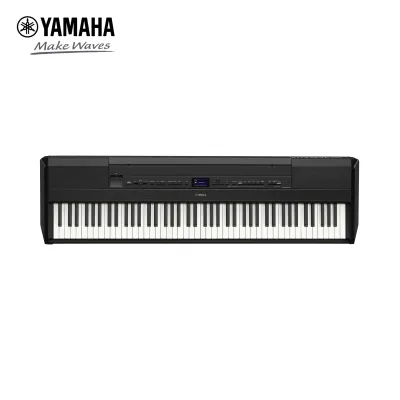
The entry-level portable series, primarily represented by the P-series, focuses on mobility, simplicity, and affordability. These instruments are designed as “slab” pianos, meaning they consist of the keyboard unit itself without a permanent wooden cabinet. They are highly suitable for beginners who need a space-saving solution that can be easily stored away or transported to lessons. Despite their compact size, they offer a full 88-key range and weighted keys, providing a solid foundation for early learning.
Products mentioned in this guide
2 Lazada user ratings
Happy with the product so far :)
37 Lazada user ratings
item is delivered promptly within 3 working days. delivery man will call 30 min in advance. so far working well. sound uality wise is very g…Read full reviewShow less
item is delivered promptly within 3 working days. delivery man will call 30 min in advance. so far working well. sound uality wise is very good. highly recommended to buy this item.
👜Portability:easy to install with stand. 🎧Sound Quality:Good quality sound with pressure key. 📚Learning Tools:no review yet.
Excellent sound quality, Perfect for home use, high quality material. Good customer service.
Fast shipping, Excellent sound quality, easy set up.My son likes it very much.
33 Lazada user ratings
Happy with my purchase. The seller is helpful and responsive to questions when enquired. Seller also provides timely updates on when the pur…Read full reviewShow less
Happy with my purchase. The seller is helpful and responsive to questions when enquired. Seller also provides timely updates on when the purchased items will be delivered. The digital piano sound is good too, definitely a good investment for amateur player like me. :)
The quality of the piano is great. I bought it for my children who are interested in learning to play the piano.
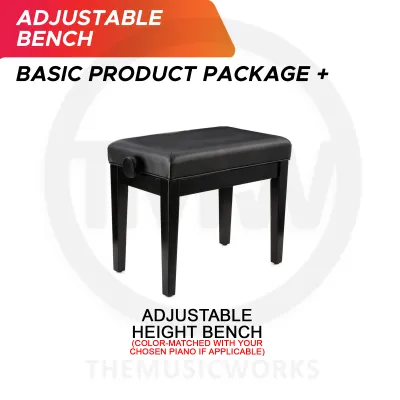
Includes a portable music rest, Versatile instrument with adjustable bench, Easy to use for beginners,
Delivery was rather quick and convenient. setting up was easy. Digital is as advertised.
Very nice! Love it~ sound very clear too~ set up was also neat and fast~
Prices are valid at publication and may change. Please refer to the product page for the latest price.
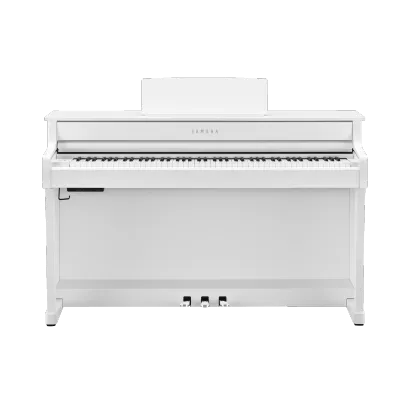
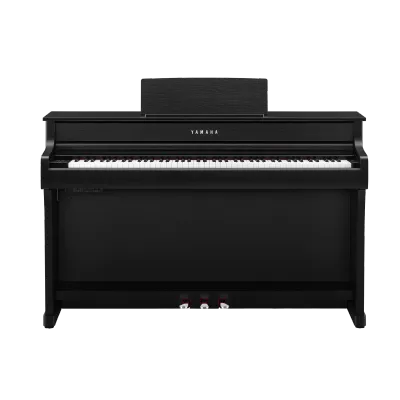
As players progress to the intermediate stage, the mid-range console series, such as the Arius (YDP) line, becomes highly relevant. These digital pianos are built into traditional wooden cabinets, making them look and feel more like acoustic upright pianos. They feature upgraded key actions, more powerful speaker systems, and integrated three-pedal units. The Arius series is ideal for dedicated home practice, offering a stable platform that supports the development of advanced techniques and expressive dynamics.
For advanced pianists, professional students, and performance musicians, the premium cabinet series, known as the Clavinova (CLP) line, represents the pinnacle of Yamaha’s digital piano technology. These instruments are designed to replicate the touch, tone, and physical presence of a concert grand piano. They incorporate cutting-edge key actions, sophisticated acoustic modeling engines, and multi-channel speaker arrays. Investing in a premium cabinet model ensures that the instrument will not limit your technical progression, even when tackling highly demanding classical or contemporary repertoire.
Understanding Yamaha’s naming conventions helps identify where a model sits within these tiers. Generally, a higher number within a specific series indicates a more advanced model with upgraded features, such as a more powerful amplifier or a more sophisticated key action. Always compare specific technical specifications, as features can vary significantly between generations.
Key Action Technologies: The Core Difference for Players
The feel of the keys, often referred to as the key action, is the most critical factor in determining how a digital piano plays. Yamaha utilizes several distinct key action technologies across its product range to simulate the weight and resistance of an acoustic piano’s hammers.

The Graded Hammer Standard (GHS) and Graded Hammer Compact (GHC) are Yamaha’s entry-level weighted actions. GHS simulates an acoustic piano, where lower keys have a heavier touch and higher keys are lighter. GHC offers a similar graded feel in a more compact design, allowing the cabinet to be slimmer. Both actions help beginners build finger strength and develop proper muscle memory.
For intermediate players, the Graded Hammer 3 (GH3) action offers a significant upgrade. Its three-sensor system accurately detects key motion, allowing for rapid note repetition and trills without the sound cutting off prematurely. GH3 actions also feature synthetic ebony and ivory keytops that provide a tactile grip and absorb moisture, preventing slipping during long practice sessions.
At the high end are the GrandTouch and GrandTouch-S actions, designed to replicate grand piano mechanics. GrandTouch-S offers an expressive dynamic range, while the full GrandTouch action features longer wooden keys on select models. This shifts the pivot point further back, making it easier to play deep into the keys. These premium actions also incorporate an escapement mechanism that reproduces the subtle let-off feel of an acoustic grand.
Before making a final decision, it is highly recommended to physically test these different key actions in a showroom. When testing, pay close attention to how quickly the keys return to their resting position, the level of resistance when playing near the back of the keys, and the overall stability of the keyboard bed. Even as a beginner, you will likely notice a distinct difference in control and comfort between an entry-level GHS action and a premium GrandTouch action.
Sound Engines and Polyphony: Matching Audio to Repertoire
A digital piano’s sound engine determines the realism and depth of the tones it produces. Yamaha employs different levels of sampling and modeling technology depending on the target audience and price point of the instrument.
Entry-level models typically use Advanced Wave Memory (AWM) Stereo Sampling, which uses digital recordings of acoustic instruments to create a reliable piano sound. While suitable for beginners, AWM sampling lacks the complex tonal variations of a real piano. Mid-range and premium models feature high-resolution samples of two world-renowned concert grand pianos: the Yamaha CFX and the Bösendorfer Imperial. These profiles allow players to switch between the bright, powerful projection of the CFX and the warm, rich character of the Bösendorfer.
Polyphony is the maximum number of individual notes or voices a digital piano can sound simultaneously. When you play with the sustain pedal pressed, each ringing note consumes polyphony. Beginners can manage with 64-note polyphony, but 128-note polyphony is the recommended baseline. Advanced musicians playing complex classical pieces with rapid arpeggios and heavy sustain require 256-note polyphony to prevent notes from being abruptly cut off.
To bridge the gap between digital sampling and acoustic reality, premium models utilize Virtual Resonance Modeling (VRM). Instead of simply playing back recorded sounds, VRM calculates the complex physical interactions of the strings, soundboard, damper, and cabinet in real-time. This simulates sympathetic resonance, creating an organic soundscape that responds dynamically to your playing style.
The physical speaker system also plays a vital role in how these sounds are projected. Entry-level portable pianos usually feature small, built-in amplifiers (typically 6 watts to 12 watts per channel) and downward-facing speakers. While adequate for quiet home practice, they can sound thin at higher volumes. Console and cabinet models feature larger, multi-way speaker systems housed within a wooden cabinet that acts as a natural acoustic chamber. This design projects the sound upward and downward, mimicking the spatial distribution of an acoustic piano and providing a much more satisfying listening experience.
Form Factor and Connectivity: Portable vs Console Choices
Choosing between a portable “slab” piano and a fixed console cabinet depends heavily on your living space, lifestyle, and how you plan to use the instrument. Both form factors offer distinct advantages and trade-offs.
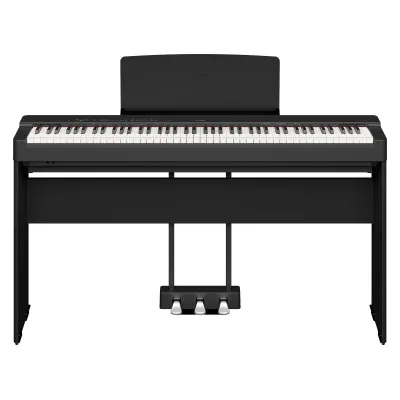
Portable slab pianos are highly versatile and space-efficient. They can be placed on a folding stand and stored away when not in use, making them perfect for small apartments. They are also the obvious choice for gigging musicians or anyone who needs to move their instrument frequently. However, portable models often require you to purchase accessories separately, such as a sturdy stand, a sustain pedal, and a music rest.
Console and cabinet pianos are designed as permanent furniture pieces. They feature integrated wooden stands, built-in music rests, and a fixed three-pedal assembly (sustain, soft, and sostenuto). These models offer superior stability, ensuring the keyboard does not wobble during vigorous playing. They also include sliding key covers to protect the keys from dust. While they require a dedicated physical space, they provide a highly authentic playing environment.
Modern digital connectivity is another important consideration. Most models feature a USB to Host port, which allows you to transmit both MIDI and digital audio data to a computer or tablet. This is essential for using interactive learning software, such as Yamaha’s Smart Pianist app, which analyzes songs in your library and displays chords. It also simplifies recording your performances directly into a Digital Audio Workstation (DAW).
Some mid-range and premium models also offer wireless Bluetooth connectivity. Bluetooth Audio allows you to stream music from your phone through the piano’s high-quality speakers, letting you play along with backing tracks or instructional videos. Bluetooth MIDI enables wireless connection to educational and music production apps, reducing cable clutter around your practice area. Assess your physical space and digital workflow carefully to ensure you select a form factor and connectivity suite that aligns with your daily routine.
Pre-Purchase Verification Checklist for Singapore Buyers
When purchasing a Yamaha 88-key digital piano in Singapore, taking a systematic approach to your purchase ensures you receive a genuine product, a valid warranty, and the correct accessories for your home setup.
First, verify the exact model number and suffix of the piano. Retailers often sell different packages of the same model; for instance, a portable model might be sold as a standalone keyboard or as a bundle with a matching wooden stand and a three-pedal unit. Additionally, ensure that the included power adapter is designed for Singapore’s electrical standards, requiring a 230V, 50Hz power supply and a standard UK 3-pin plug.
Second, always confirm the authorized dealer status of the retailer. Purchasing from an authorized Yamaha distributor or a recognized local music store guarantees that your instrument is covered by a valid local manufacturer’s warranty. Parallel-imported models, often sourced from other regions and sold at a discount on online marketplaces, are typically not covered by local service centers, leaving you responsible for expensive repairs.
Third, verify the current pricing in S$ and compare it across multiple authorized retailers. Be wary of deals that seem unusually cheap, as they may exclude essential components like the music rest, power supply, or sustain pedal. It is also wise to inquire about delivery and assembly fees, as console models are heavy and often require professional setup.
Finaly, visit a local showroom to test the specific display unit of the model you intend to buy. Check the consistency of the key weight across the entire 88-key range, ensuring there are no sticky keys. Test the responsiveness of the pedals and listen closely to the sound quality through both the built-in speakers and a high-quality pair of headphones.
Frequently Asked Questions (FAQ)
Do I need an 88-key piano as a complete beginner?
Yes, starting with a full 88-key keyboard is highly recommended for anyone serious about learning the piano. Standard piano repertoire quickly expands beyond the range of smaller 61-key or 73-key keyboards, and practicing on a full-sized instrument is essential for developing correct spatial awareness, hand positioning, and muscle memory. While a smaller keyboard may be acceptable for very young children or casual synthesizer play, adult beginners and dedicated students will quickly outgrow them, making an 88-key model a more practical and cost-effective long-term investment.
Can I upgrade my Yamaha piano's sound via software?
Yes, you can significantly expand or upgrade your digital piano’s sound library by connecting it to a computer or tablet via a USB cable. By using your Yamaha piano as a MIDI controller, you can trigger high-quality Virtual Instrument Software (VSTs) hosted on your computer. This setup allows you to access incredibly detailed, multi-gigabyte samples of various grand pianos, uprights, and vintage electric pianos. To achieve a seamless playing experience, you will need a stable audio interface, low-latency audio drivers, and a high-quality pair of headphones or studio monitors to bypass the piano’s internal sound engine without noticeable delay.
Community discussion
Share your experience or ask a question. Comments are reviewed before publication.