
Stepping into the world of gothic horror can feel daunting due to the dense, archaic language of nineteenth-century classics and the sheer volume of atmospheric texts that seem to prioritize slow-burn dread over active plotting. To begin reading gothic horror without feeling overwhelmed, you should start with accessible classics that feature clear narrative structures—such as epistolary formats—or explore modern subgenres like Southern Gothic and psychological thrillers that translate traditional eerie atmospheres into familiar, contemporary settings. By focusing on books that balance psychological suspense with relatable character motivations, you can experience the chilling allure of the genre without getting lost in archaic syntax or endless descriptions of drafty corridors.
Gothic horror is far more than a collection of monsters and haunted houses; it is an exploration of the human psyche, ancestral trauma, and the thin line between the rational and the supernatural. For a beginner, the key is finding an entry point that matches your current reading preferences. If you enjoy historical dramas, a classic gothic novel with a strong romantic or philosophical undertone might be your ideal starting point. If you prefer fast-paced mysteries, a modern gothic thriller set in a secluded contemporary estate will likely keep you turning pages late into the night.
Understanding the core elements of the genre allows you to navigate bookstore shelves or digital libraries with confidence. Rather than picking a book based solely on an eerie cover design, looking at the structural style, the setting, and the specific subgenre will help you select a title that aligns with your reading habits. This guide breaks down how to identify accessible gothic literature, which classics offer the smoothest introduction, and how to prepare your reading environment for the ultimate atmospheric experience.
Products mentioned in this guide
1 Lazada user ratings
💰Price:Great 📚Content Quality:Great 🔍Quality:Great ✍️Author:Great 📝Content:Great *Awesome Purchase! *Sister liked it! *Item is as advertised …Read full reviewShow less
💰Price:Great 📚Content Quality:Great 🔍Quality:Great ✍️Author:Great 📝Content:Great *Awesome Purchase! *Sister liked it! *Item is as advertised on the product page *No damage on the packaging or the item itself *Paying & receiving the item from the Delivery Courier was a breeze *Will order more from the Seller & Lazada! KUDOS!
Prices are valid at publication and may change. Please refer to the product page for the latest price.
What makes a gothic horror book accessible for beginners?
An accessible gothic horror book balances atmospheric dread with a clear, forward-moving plot, utilizing readable prose that does not require wading through overly dense Victorian syntax. While traditional gothic fiction is famous for its slow-burn tension and extensive descriptions of crumbling architecture, beginner-friendly selections maintain a steady narrative momentum that keeps the reader engaged.
Pacing and Narrative Structure
One of the primary hurdles for readers new to gothic fiction is the pacing. Classic gothic novels often feature long stretches of atmospheric wandering, where characters contemplate their bleak surroundings or experience vague, psychological unease without much physical action occurring. For a beginner, this can feel like the plot has stalled. Accessible gothic books, by contrast, feature a clear plot progression where every eerie occurrence or atmospheric description directly serves to advance the mystery or develop the characters. Look for narratives that establish a central conflict early on, such as a protagonist arriving at a strange new job or investigating a sudden family disappearance, which provides a strong narrative thread to follow through the fog of atmospheric dread.
Language and Readability
The language of the nineteenth century can be a significant barrier to entry. Dense Victorian syntax, archaic vocabulary, and long, winding sentences require a high level of cognitive effort that can detract from the suspense of the story. When starting out, choosing modern gothic novels or carefully translated works can offer a much smoother reading experience. If you do wish to start with the classics, seeking out editions with modern annotations or choosing authors known for more direct, dramatic prose can prevent reader fatigue. The goal is to lose yourself in the eerie atmosphere, not in a dictionary.
The Balance of Tension, Mystery, and the Supernatural
Gothic horror operates on a spectrum between psychological tension and explicit supernatural horror. For beginners, books that lean slightly more toward mystery or psychological suspense are often easier to digest than those featuring abstract, inexplicable supernatural phenomena. When a story functions as a puzzle—where the reader is trying to determine whether the haunting is real or a product of the protagonist’s unraveling mind—the cognitive engagement keeps the pages turning. This balance allows you to experience the classic gothic chills while enjoying the satisfying structure of a mystery novel.
Which foundational classics offer a gentle introduction to the genre?
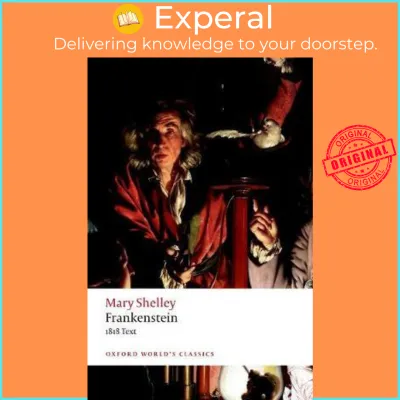
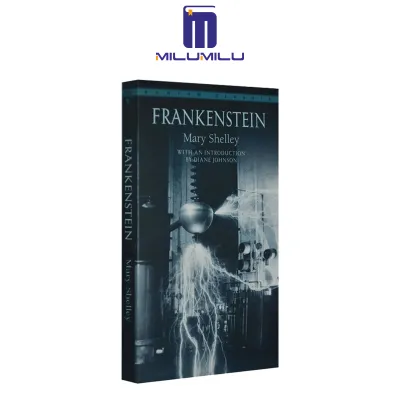
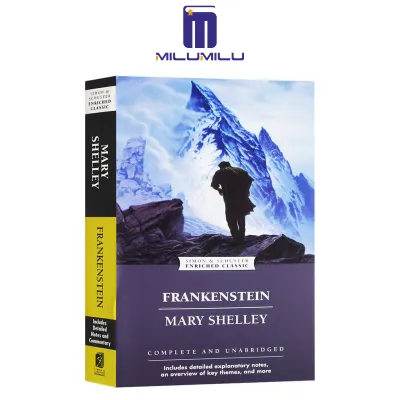
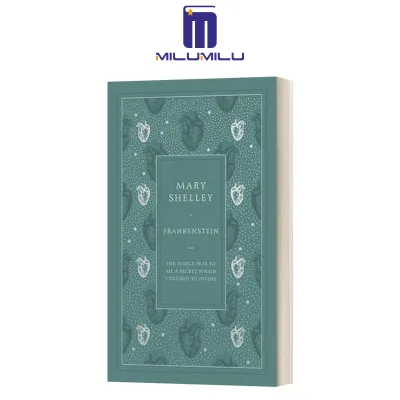
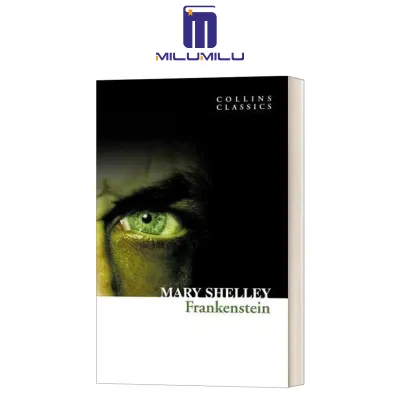
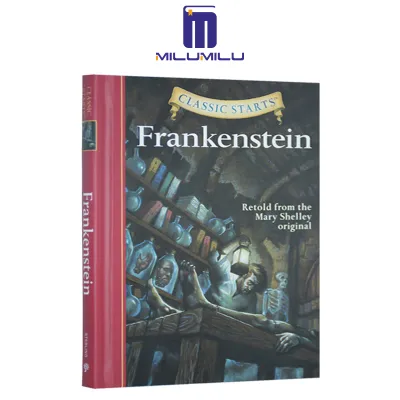
Foundational classics like Mary Shelley’s Frankenstein provide an excellent entry point because they focus on deeply human, philosophical questions and character-driven drama rather than relying solely on archaic shock value or dense, impenetrable prose. These early works established the tropes we still enjoy today, but their core themes remain remarkably modern and relatable.

Frankenstein as a Philosophical Starting Point
Mary Shelley’s Frankenstein is often categorized as the first science fiction novel, but its roots are deeply gothic. For a beginner, it serves as an ideal starting point because the horror is not derived from a mindless monster jumping out of the dark, but from the tragic consequences of ambition, isolation, and societal rejection. The prose, while elegant and nineteenth-century in style, is driven by intense emotional monologues and a clear, linear progression of consequences. Because the story focuses on the relationship between creator and creation, it offers a profound psychological depth that makes the reading experience intellectually stimulating rather than merely frightening.
The Easing Power of Epistolary and Framed Narratives
Many classic gothic novels utilize epistolary formats—stories told through letters, diary entries, newspaper clippings, and ship logs—or framed narratives, where a character recounts a story to another. For a beginner, this structure is incredibly helpful. It breaks a long, potentially dense narrative into short, digestible sections. Reading a character’s private journal entries creates an immediate sense of intimacy and urgency, making the historical setting feel much closer and more accessible. It also naturally limits the perspective, heightening the suspense because you only know what the letter-writer knows.
Verifying and Selecting Accessible Editions
Before purchasing a classic gothic book, it is essential to verify the specific edition, language, and medium to ensure a high-quality reading experience. Avoid buying the cheapest, unbranded digital editions, which are often poorly formatted scans riddled with typographical errors that make dense prose even harder to read. Instead, look for editions that include annotated footnotes to explain archaic terms, modern introductions for historical context, and clear typography with generous line spacing. Additionally, verify the medium or file format to ensure compatibility with your e-reader device, and always purchase from authorized sources to guarantee content completeness. Never infer the quality or completeness of an edition’s contents simply from a title or cover design.
How do modern and regional gothic subgenres lower the barrier to entry?
Modern and regional gothic subgenres lower the barrier to entry by replacing distant European castles with familiar, relatable environments and utilizing contemporary pacing that aligns with modern reading habits. By bringing the gothic sensibility closer to home, these subgenres make the underlying themes of isolation and decay feel incredibly immediate.
Southern Gothic and Grounded Realism
Southern Gothic literature shifts the focus from drafty stone castles to the humid, decaying landscapes of the American South. This subgenre replaces supernatural ghosts with the “ghosts” of history, social inequality, and family secrets. The horror here is deeply psychological and character-driven, focusing on eccentric, flawed individuals navigating a society in decline. For beginners, Southern Gothic is highly accessible because the settings—though atmospheric and dusty—are grounded in recognizable historical and geographical realities. The tension is built through dialogue, local lore, and the slow unraveling of community secrets, offering a rich literary experience that feels distinct from traditional European horror.
Modern Psychological Gothic Thrillers
If you are hesitant to dive into historical settings, modern psychological gothic thrillers bridge the gap perfectly. These stories take the core elements of the gothic—isolation, a sense of entrapment, an overbearing setting, and psychological paranoia—and place them in contemporary contexts. You might read about a protagonist moving into a sleek, minimalist smart home that begins to feel like a prison, or a family isolated in a remote, modern cabin during a winter storm. Because the characters use smartphones, speak in contemporary dialogue, and face modern dilemmas, the barrier of archaic language is entirely removed, allowing you to focus purely on the escalating tension.
From Castles to Relatable Haunted Spaces
Traditional gothic horror relies heavily on sprawling, ancient settings like ruined abbeys and ancestral castles. While atmospheric, these places can feel incredibly distant to a modern reader. Modern gothic fiction often scales down these settings to more intimate, relatable spaces: an insular small town where outsiders are viewed with suspicion, a prestigious boarding school with dark traditions, or a suburban family home harboring decades of quiet grief. When the setting is a space you can easily picture yourself inhabiting, the sense of unease becomes much more potent and the story becomes far easier to connect with on an emotional level.
What specific tropes should guide your first gothic horror selection?
Choosing your first gothic horror book should be guided by your personal tolerance for suspense, whether you prefer the architectural mystery of a haunted estate, the mental puzzle of an unreliable narrator, or the emotional pull of a dark romance. Identifying which tropes appeal to your existing reading habits is the most reliable way to ensure your first foray into the genre is a success.
The Haunted Estate and Environmental Storytelling
If you enjoy slow-burn mysteries where the setting itself feels like a living, breathing character, look for books centered around the “haunted estate” trope. In these stories, the house or manor is not just a backdrop; it actively influences the characters’ minds and actions. The suspense is built through architectural details—hidden passages, locked rooms, drafty corridors, and decaying gardens. This trope is perfect for readers who appreciate rich, descriptive prose and want to immerse themselves in a heavy, lingering atmosphere where the history of the building is slowly uncovered layer by layer.
The Unreliable Narrator and Psychological Ambiguity
For readers who prefer intellectual puzzles over supernatural scares, the “unreliable narrator” is an exceptional guiding trope. When the person telling the story is struggling with memory loss, grief, isolation, or deteriorating mental health, you are forced to question every event they describe. Is the house actually haunted, or is the protagonist projecting their internal trauma onto their surroundings? This ambiguity creates a highly engaging reading experience, as you must constantly analyze the text for clues to separate reality from delusion. It keeps the horror grounded in human psychology, making it highly accessible for fans of psychological thrillers.
Dark Romance and the Brooding Protagonist
If your favorite stories usually involve complex relationships, intense emotional drama, or romantic suspense, look for gothic books that feature dark romance or a brooding, secretive protagonist. Gothic fiction has always shared a close relationship with romance; early classics often centered on a young woman arriving at a remote estate and becoming entangled with a mysterious, troubled master of the house. This element provides a strong emotional anchor for the story. The dread is balanced by interpersonal tension, making the darker, horror-adjacent elements of the plot feel like a natural extension of the characters’ turbulent emotions.
How can you prepare for the atmosphere and pacing of gothic fiction?
Preparing for gothic fiction requires adjusting your reading speed to match the genre’s deliberate, slow-burn pacing and creating an environment that enhances its rich, sensory world-building. Unlike modern action thrillers designed to be consumed in rapid, high-octane bursts, gothic horror is an experience meant to be savored slowly as the atmosphere gradually thickens.
Setting Expectations for the Slow Burn
To fully enjoy your first gothic book, you must adjust your expectations regarding plot progression. Accept that the first third of the book may be dedicated entirely to establishing the mood, describing the landscape, and building a quiet sense of unease. There may be no sudden scares or dramatic confrontations early on. Instead, appreciate the author’s craftsmanship in creating a sensory experience—the sound of rain against a window pane, the chill of an unheated room, or the oppressive silence of an isolated library. By slowing down your reading speed, you allow the psychological tension to build naturally, making the eventual climax far more impactful.
Creating a Conducive Reading Environment
Because gothic horror relies so heavily on mood, your physical reading environment can significantly enhance your experience. Try to align your reading sessions with the atmosphere of the book. Reading during a rainy afternoon, in a dimly lit room with a single reading lamp, or during the quiet hours of the late evening can make the story’s setting feel as though it is bleeding into your own reality. If you are reading in a warm, tropical climate, finding a quiet, air-conditioned space can help mimic the chilly, damp drafts described in the text, helping you connect more deeply with the physical sensations of the characters.
Knowing When to Pause and Switch Genres
Gothic horror often deals with heavy themes such as grief, isolation, ancestral trauma, and mental decay. It is important to monitor your own comfort levels as you read. If the psychological weight of a book begins to feel overwhelming, or if the slow pacing starts to cause a reading slump, do not hesitate to pause. You can step away from the book for a few days, or temporarily switch to a lighter, faster-paced genre to clear your palate. Reading should always be an enjoyable exploration, and taking breaks ensures that when you do return to the dark, misty world of the gothic, you can fully appreciate its haunting beauty.

Community discussion
Share your experience or ask a question. Comments are reviewed before publication.